Pipestone Wall: Montana's Secret Megalith
Video

Pipestone Wall: Montana's Secret Megalith
Video
MetalDetecting! Discoveries include Templar or Masonic Sword, 1,000 Roman Coins, Gold Ring with Gemstones, Replica of a Ring from the Lord of the Rings, plus more
https://www.youtube.com/shorts/H7HMqS_XPrw?feature=share
After 700 years, the Knights Templar return to the Vatican!
https://www.youtube.com/shorts/XYJN8rbtjJI?feature=share
Catholic Templars Of Italy Members Hold Silent Procession As Vatican Readies For May 7th Conclave
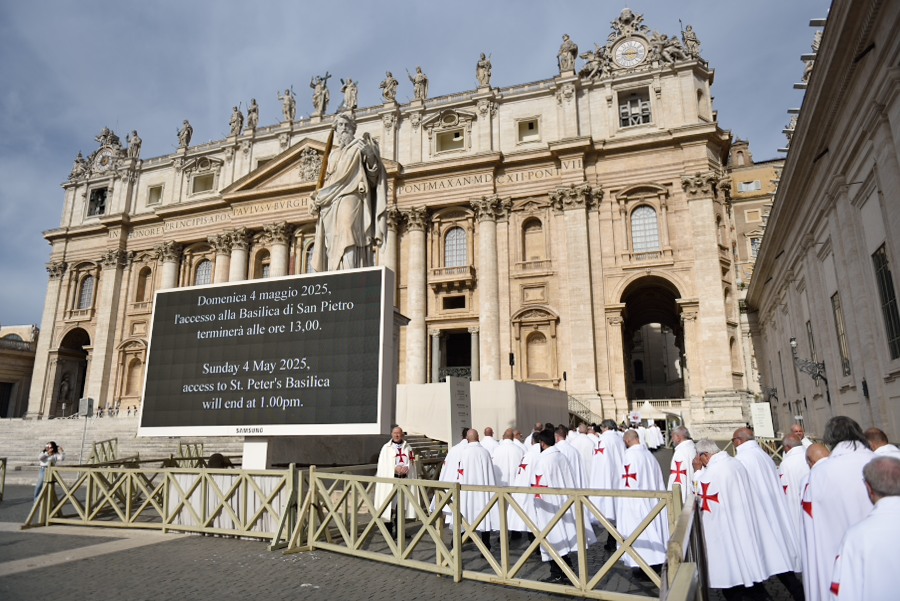
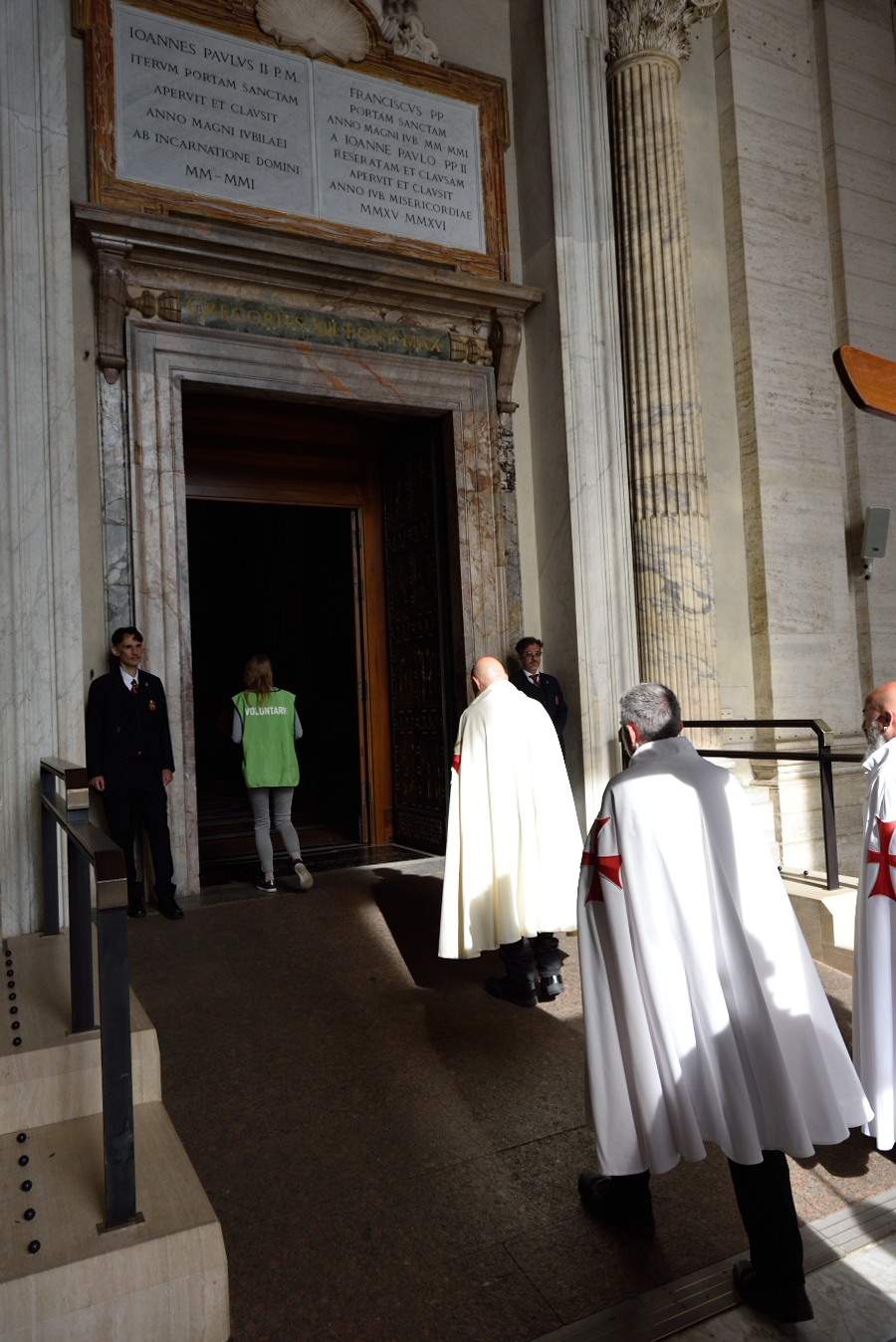
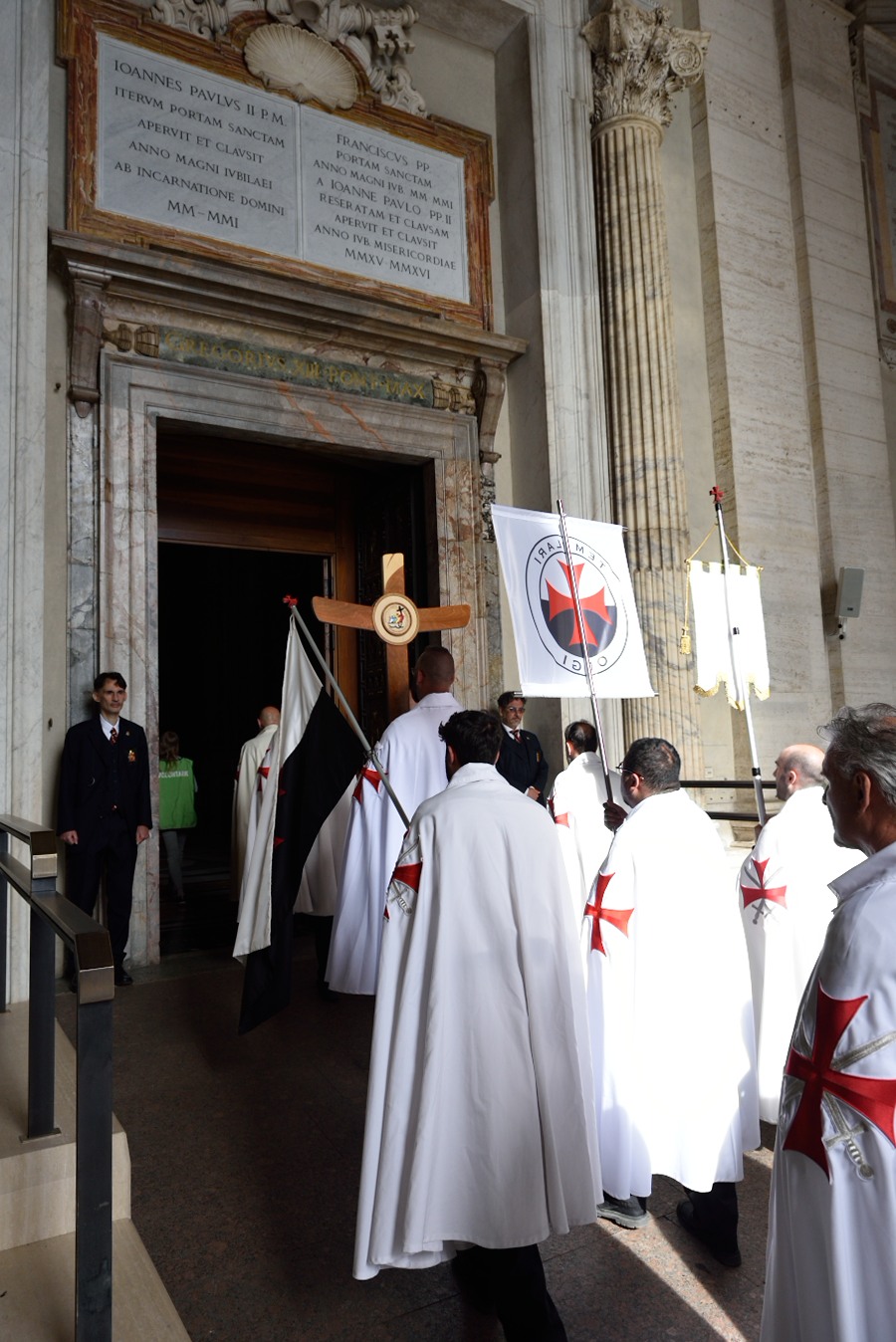
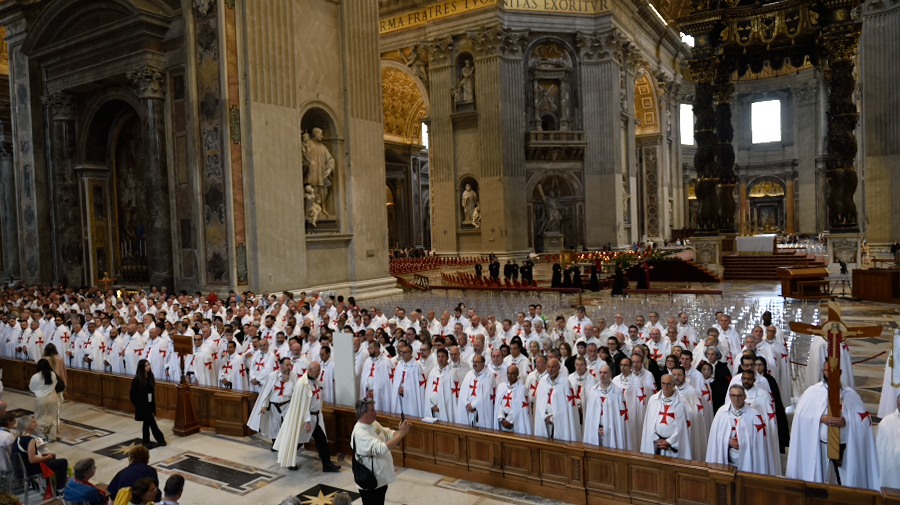
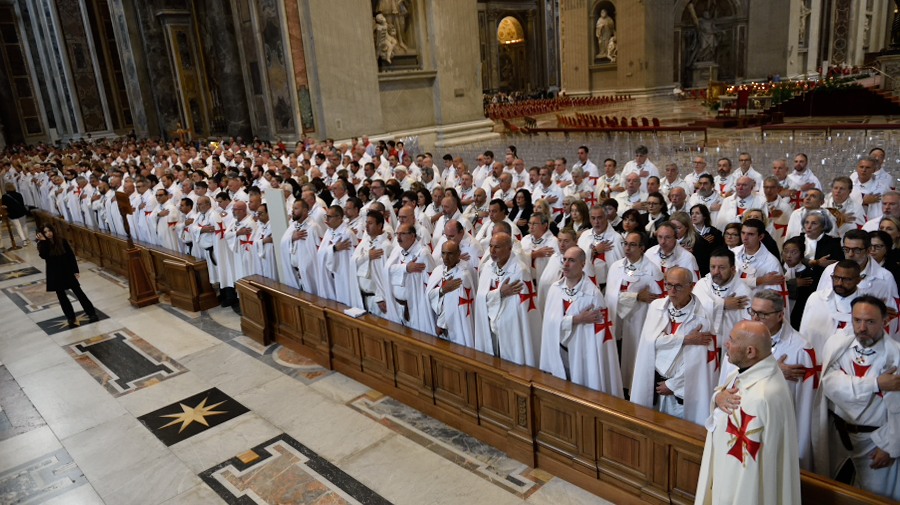
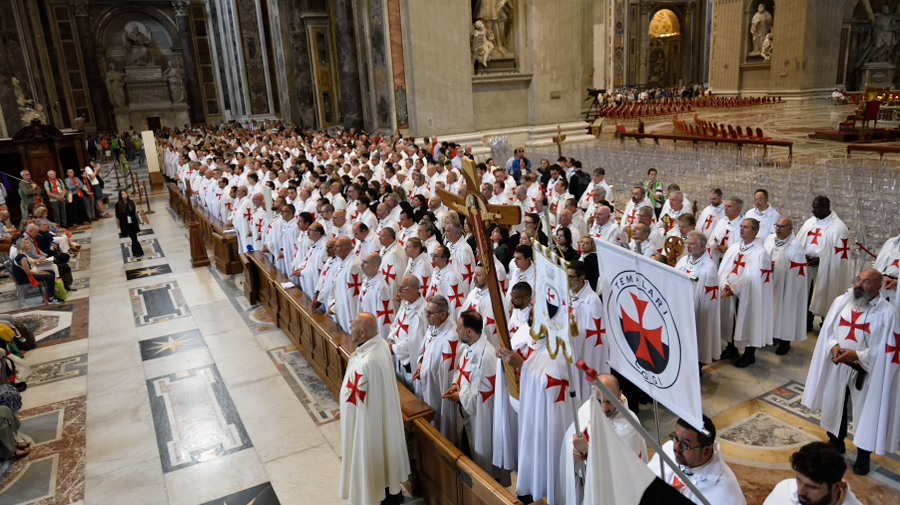
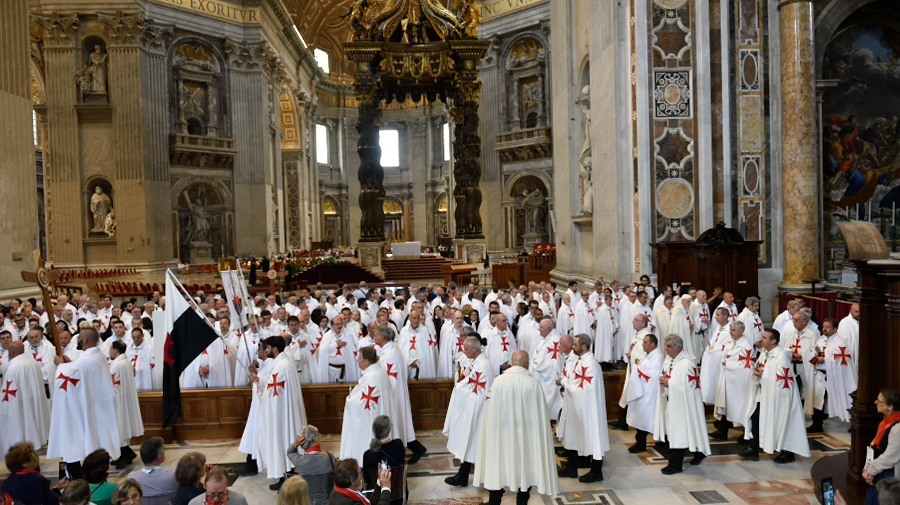
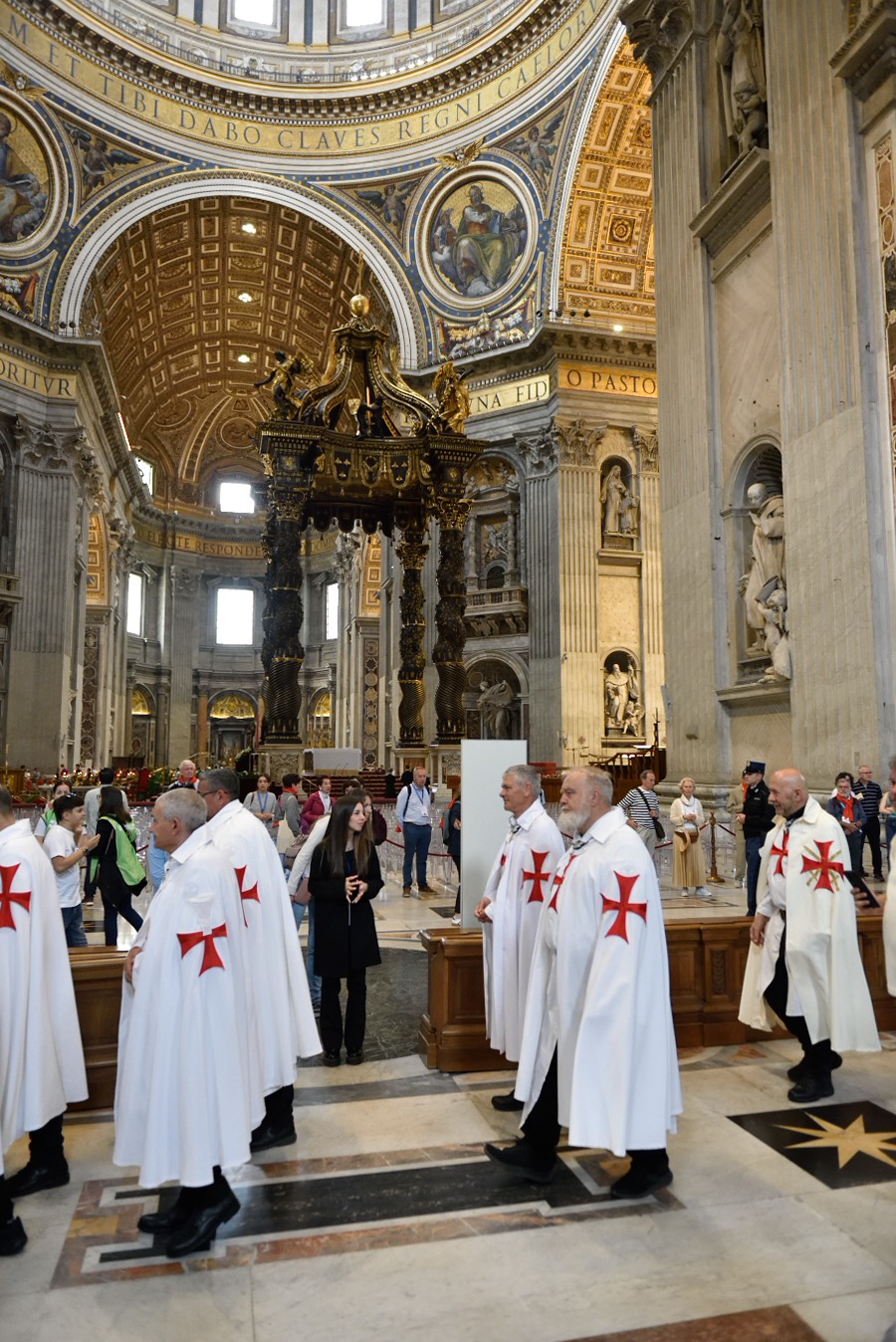
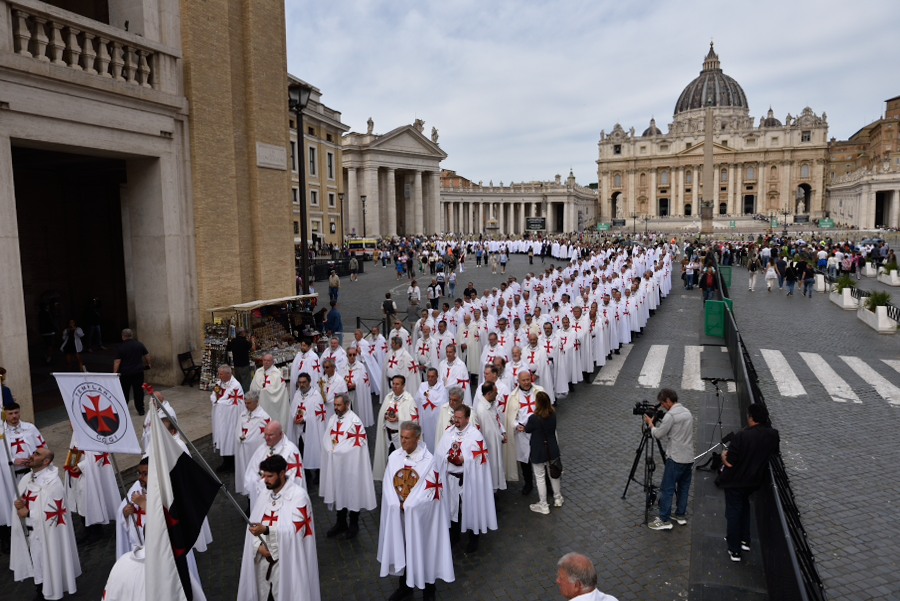
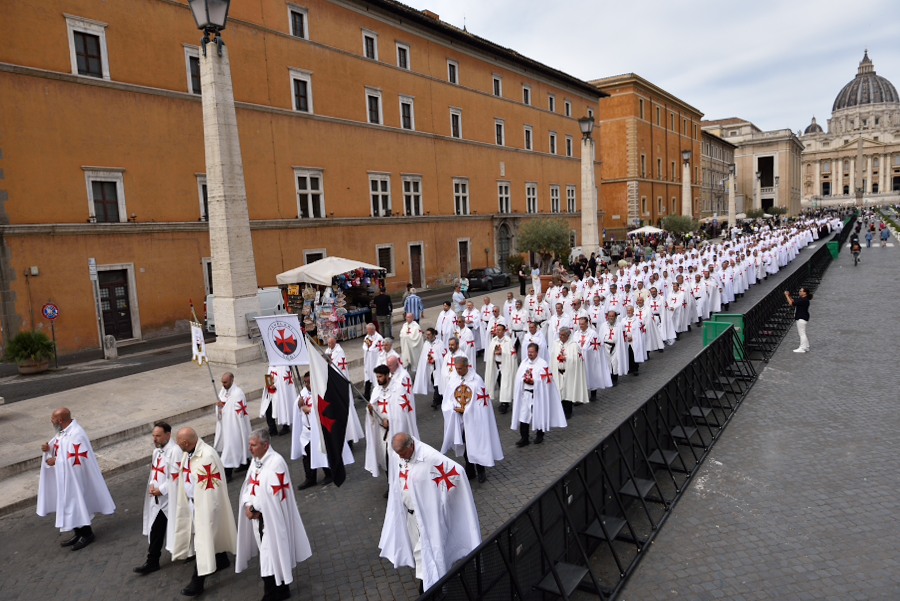
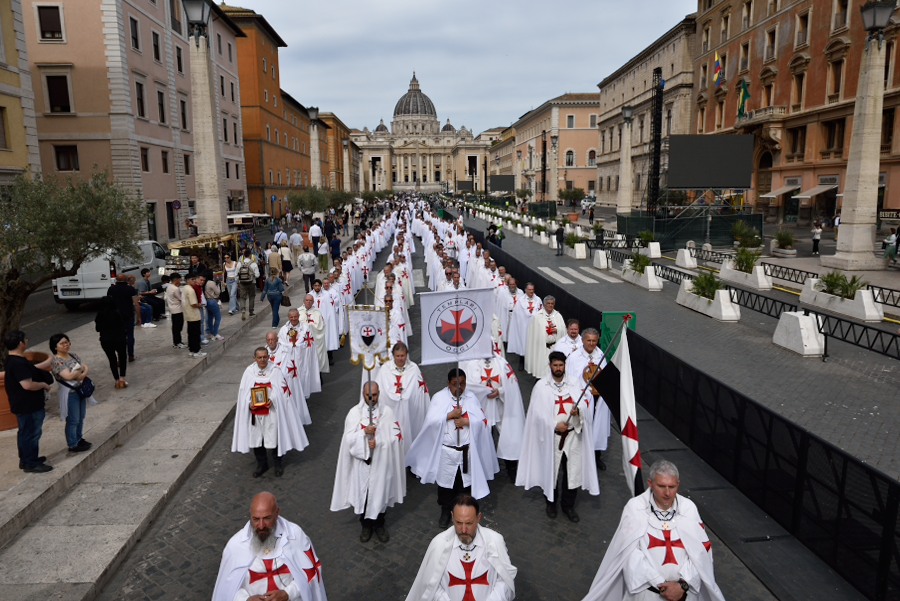
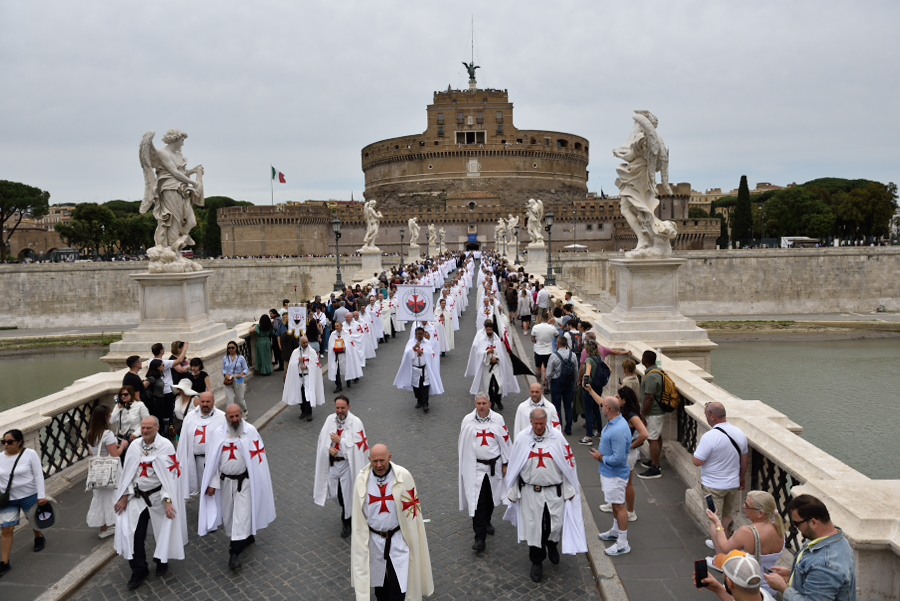
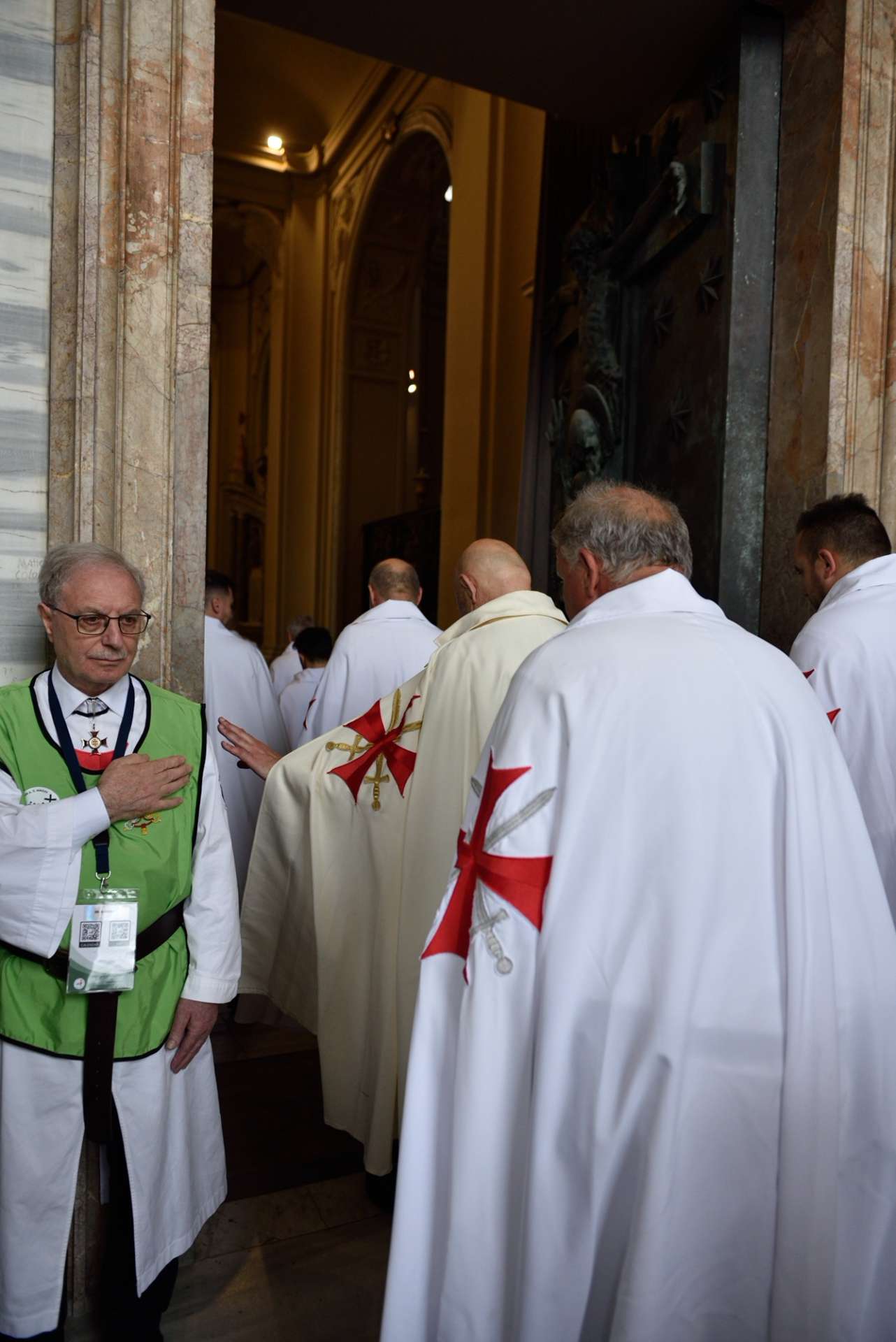
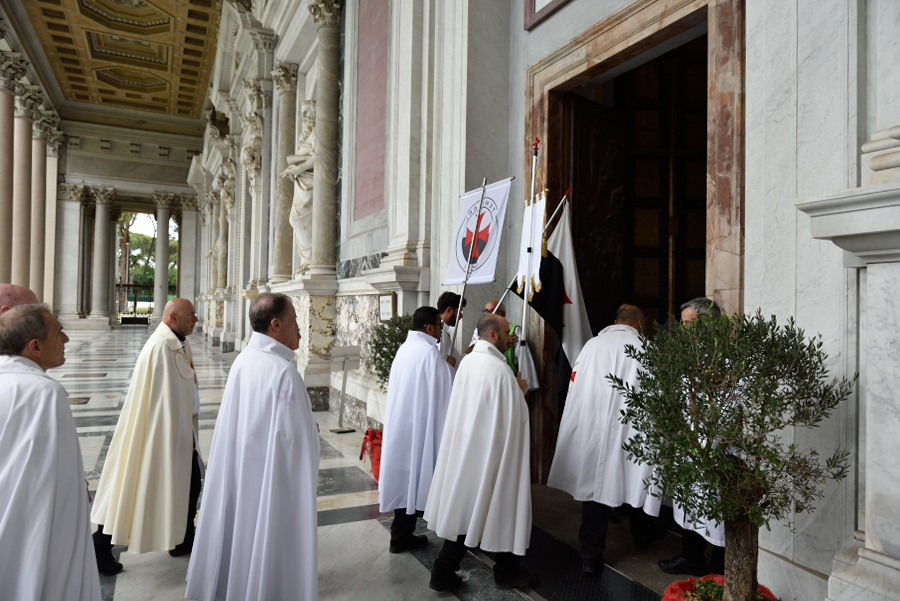
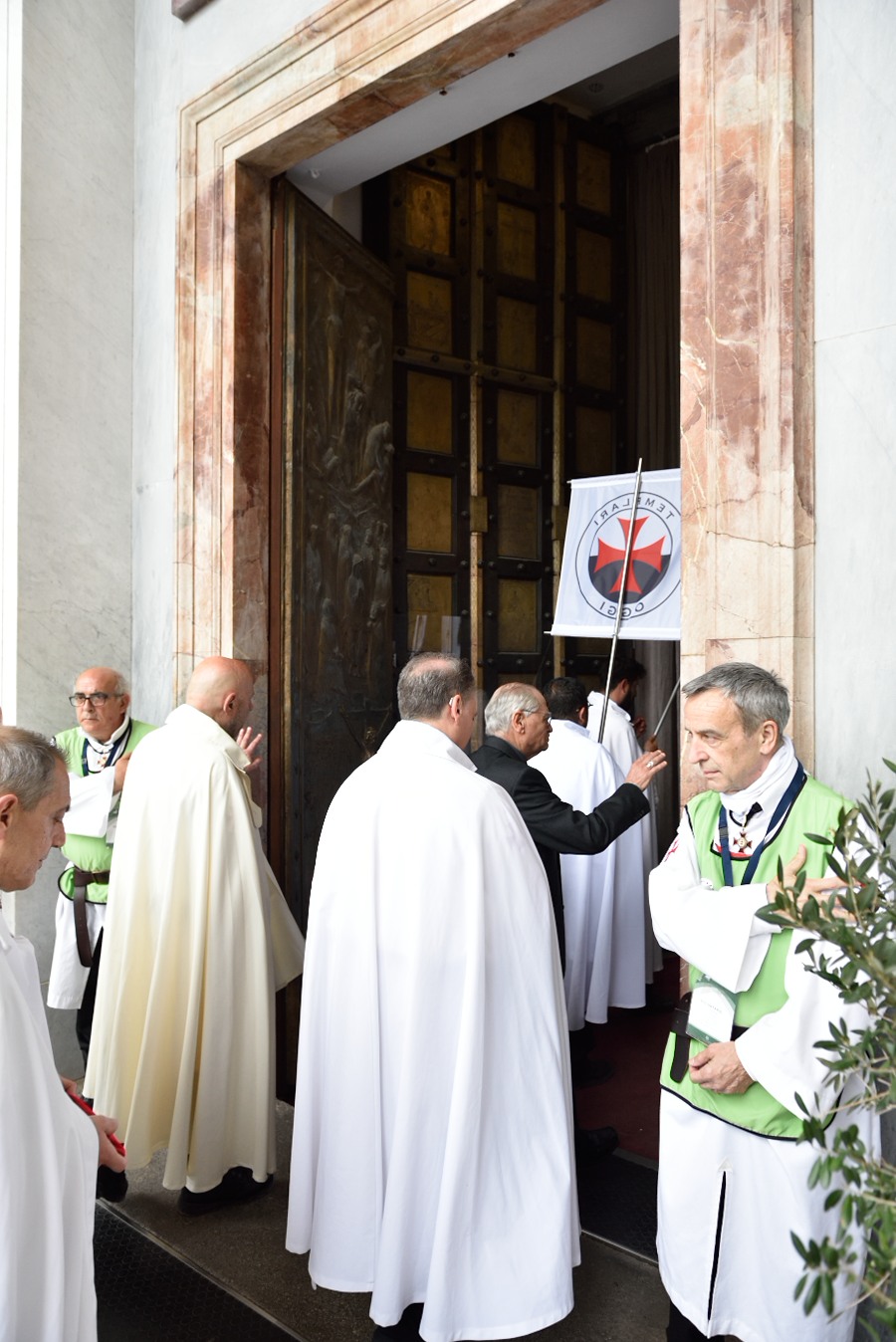
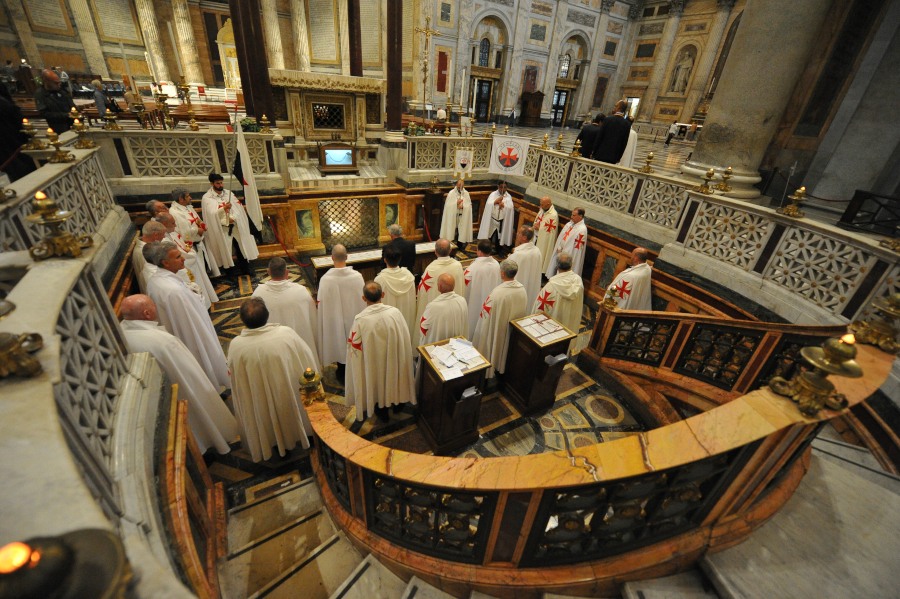
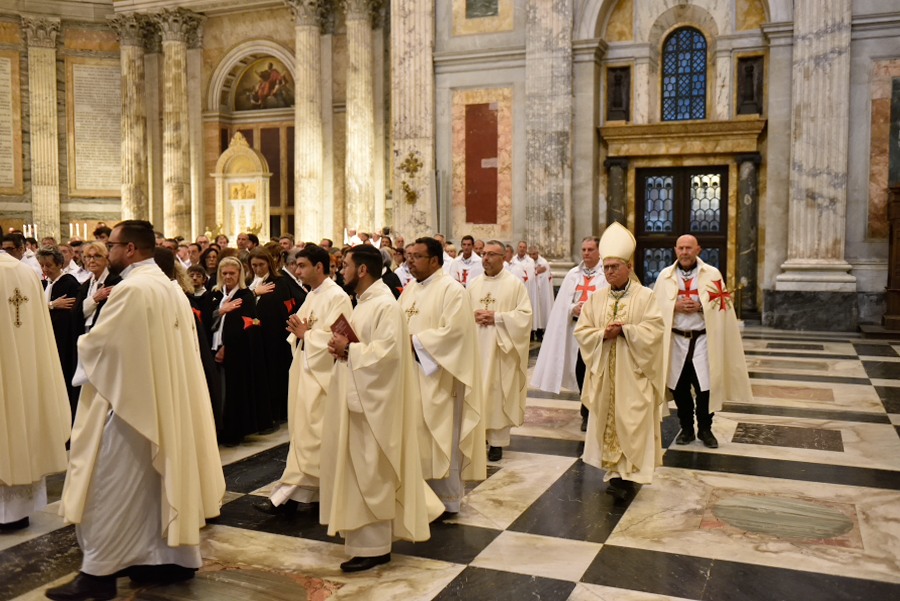
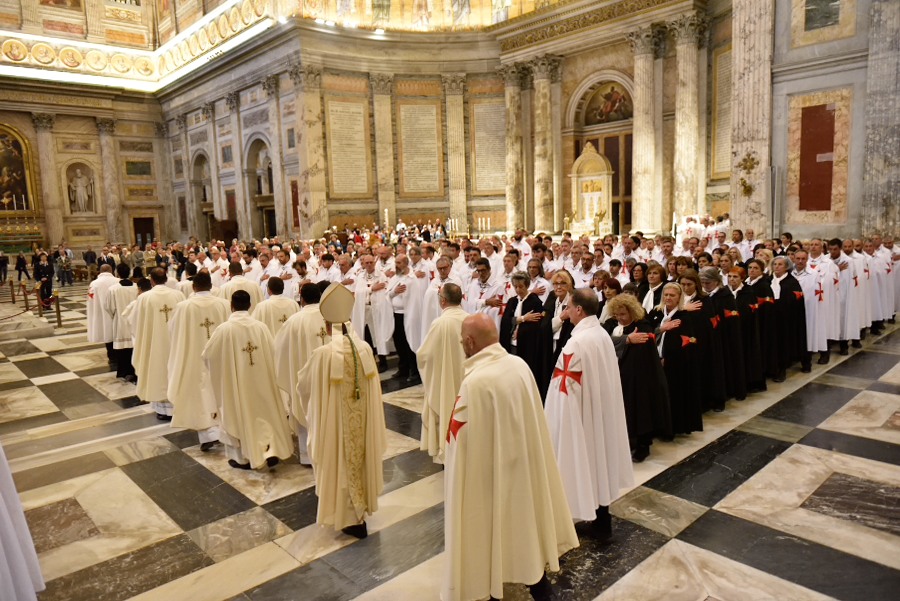
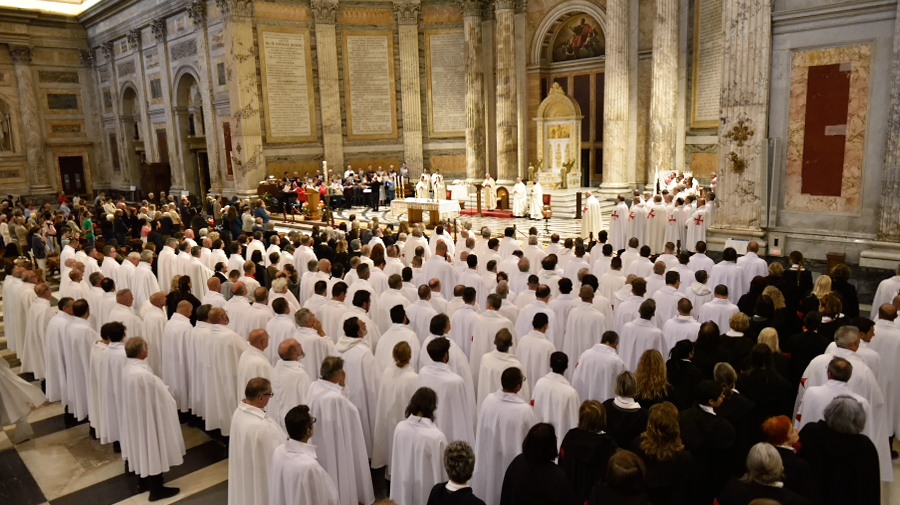
A Historic Jubilee: The Templars Today Enter St. Peter’s Basilica for the First Time Rome, May 4, 2025
A Historic Jubilee: The Templars Today Enter St. Peter’s Basilica for the First Time
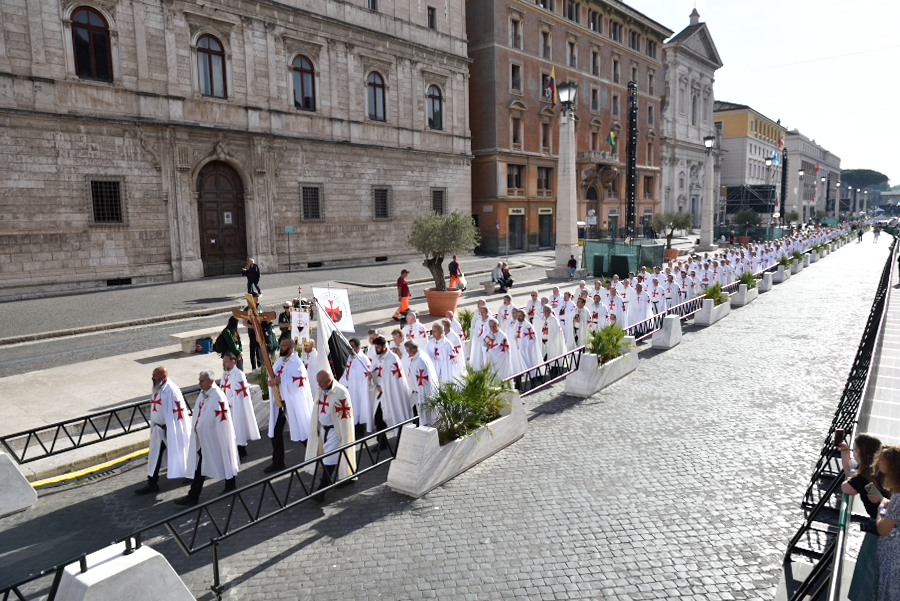
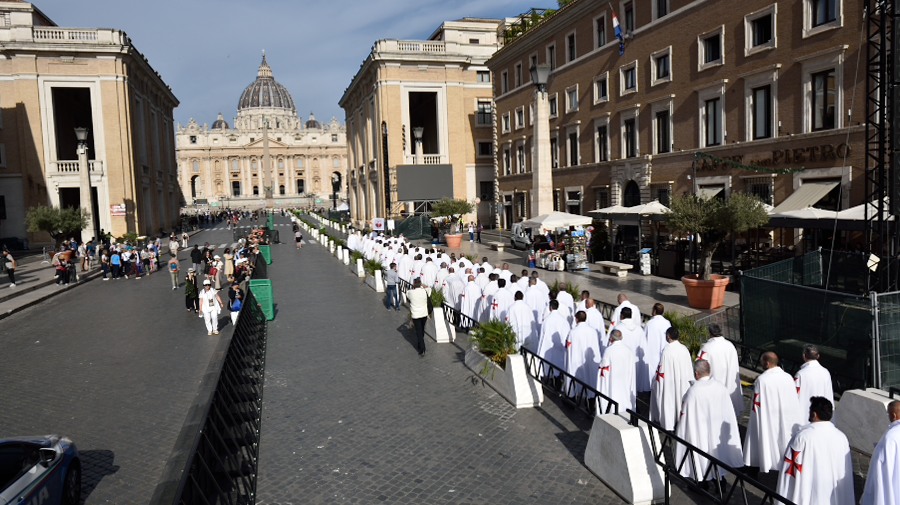
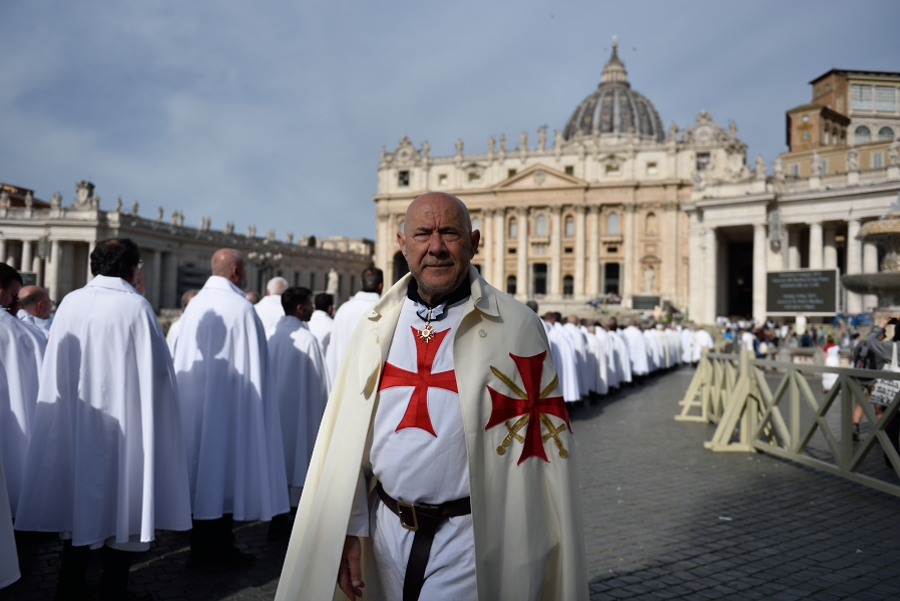
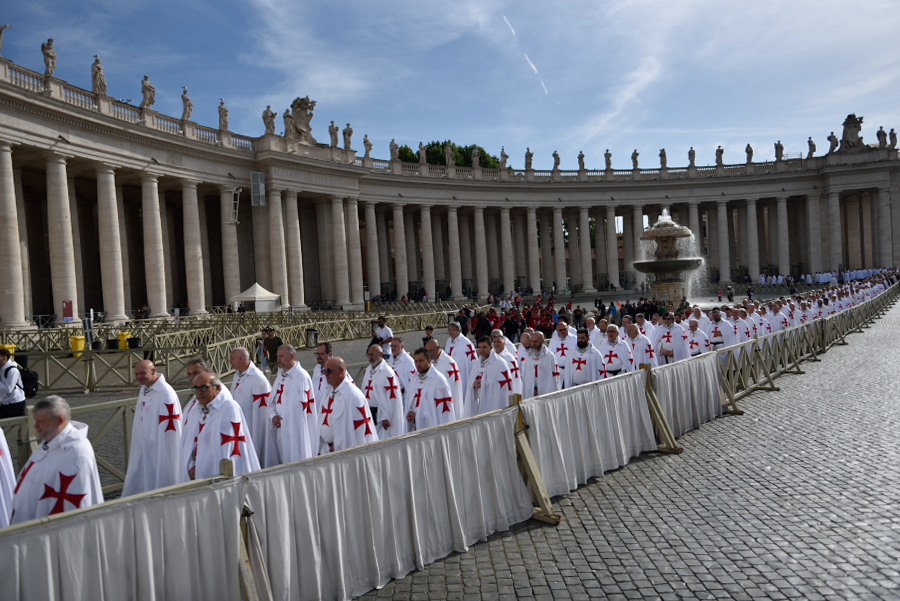
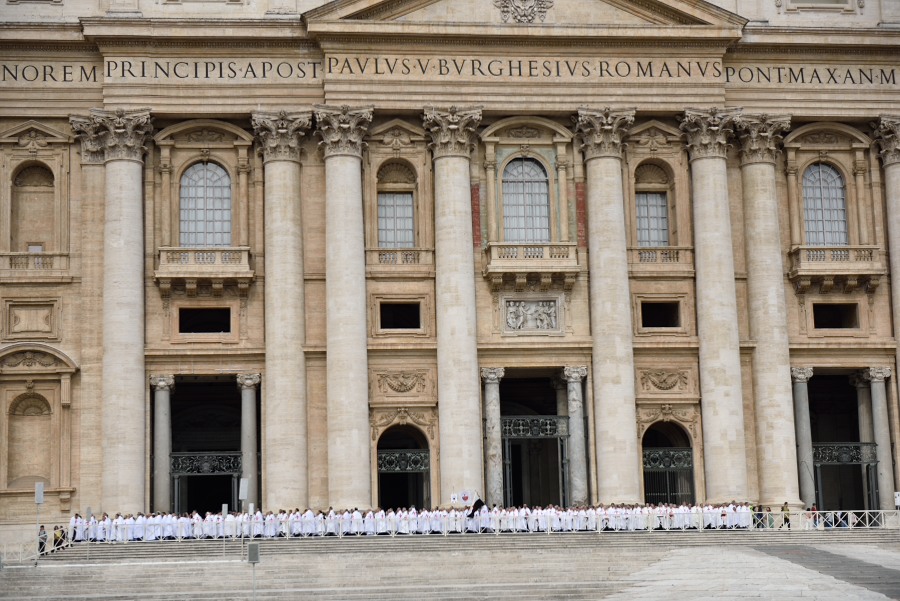
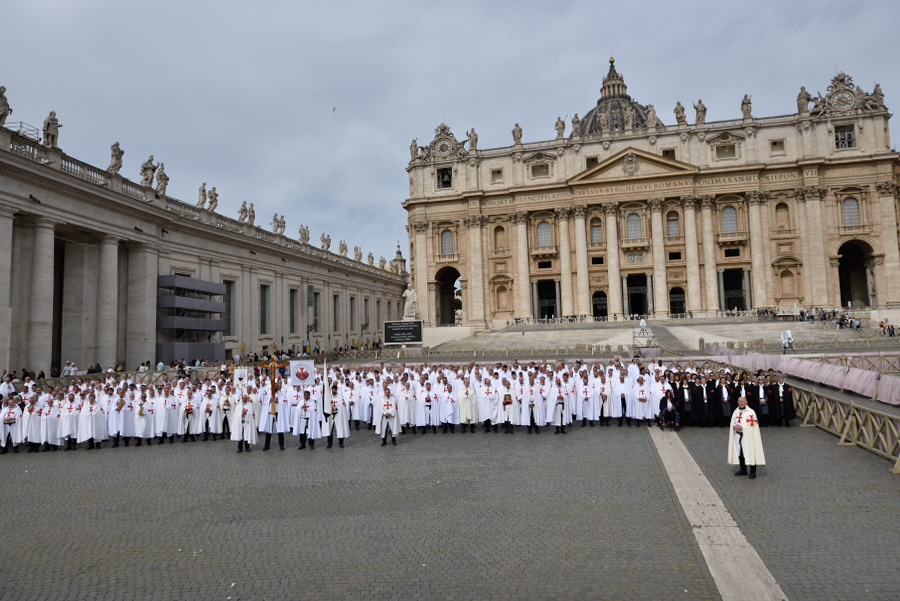
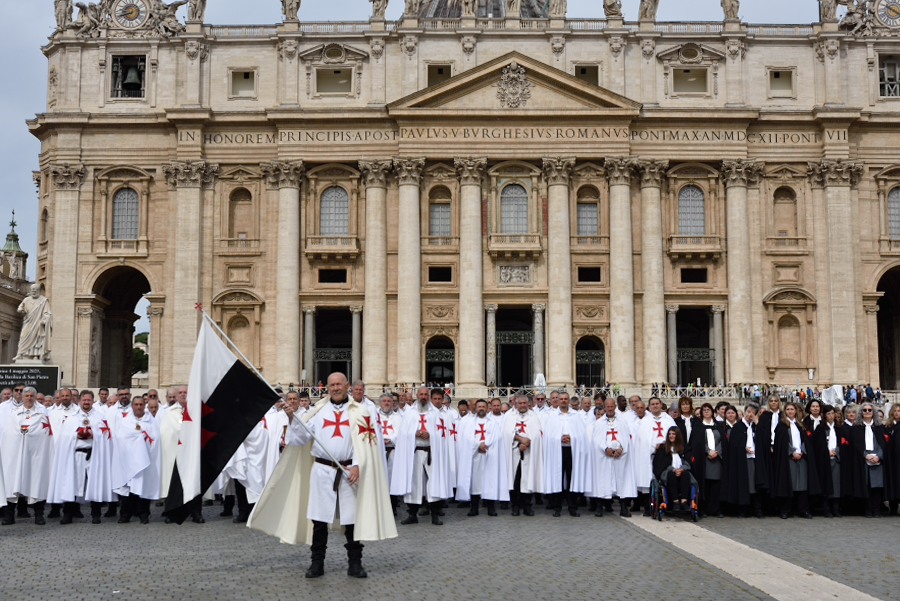
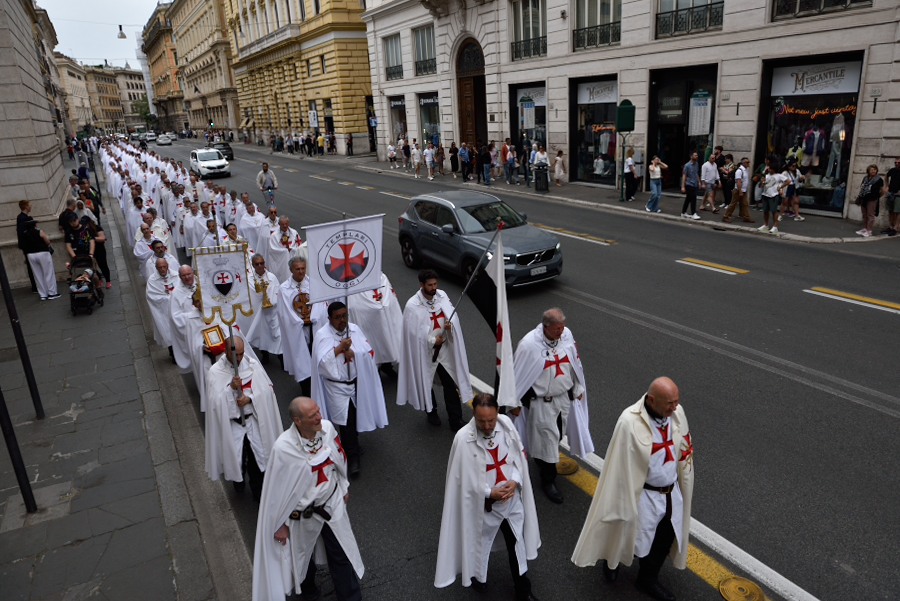
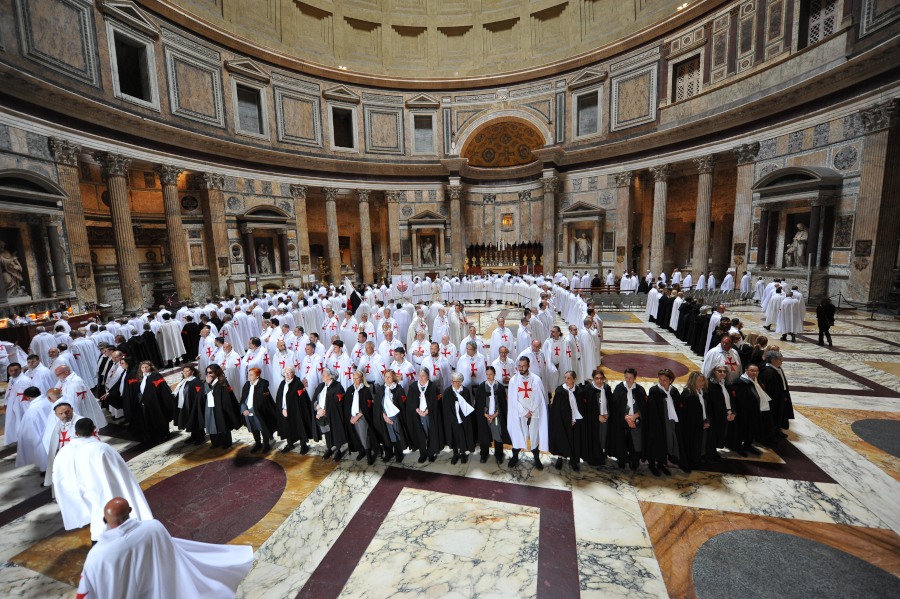
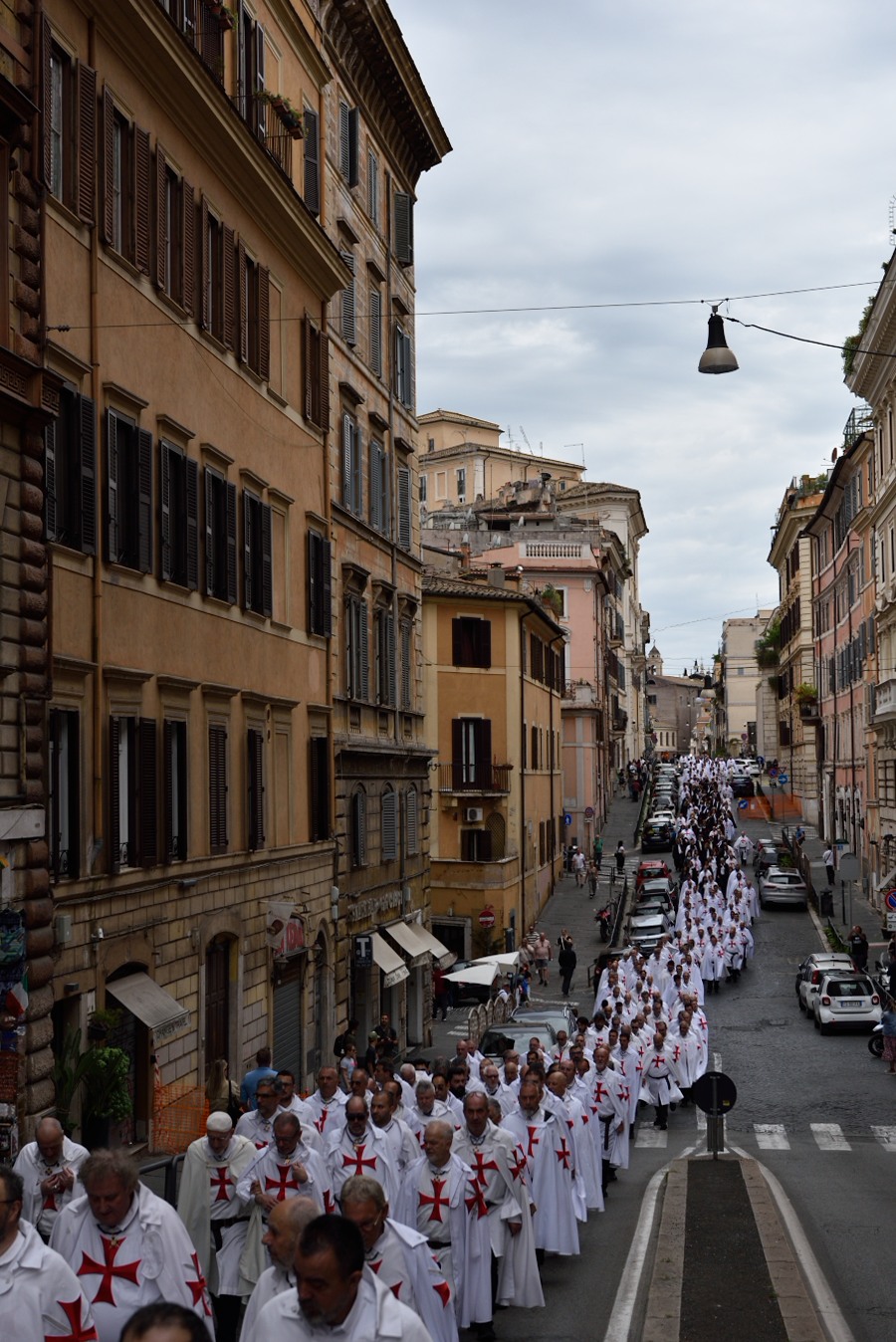
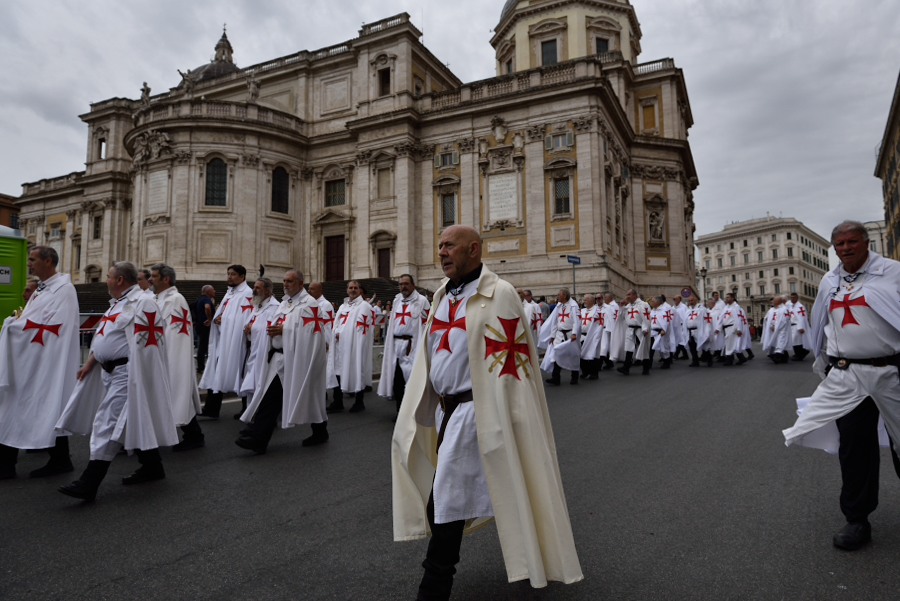
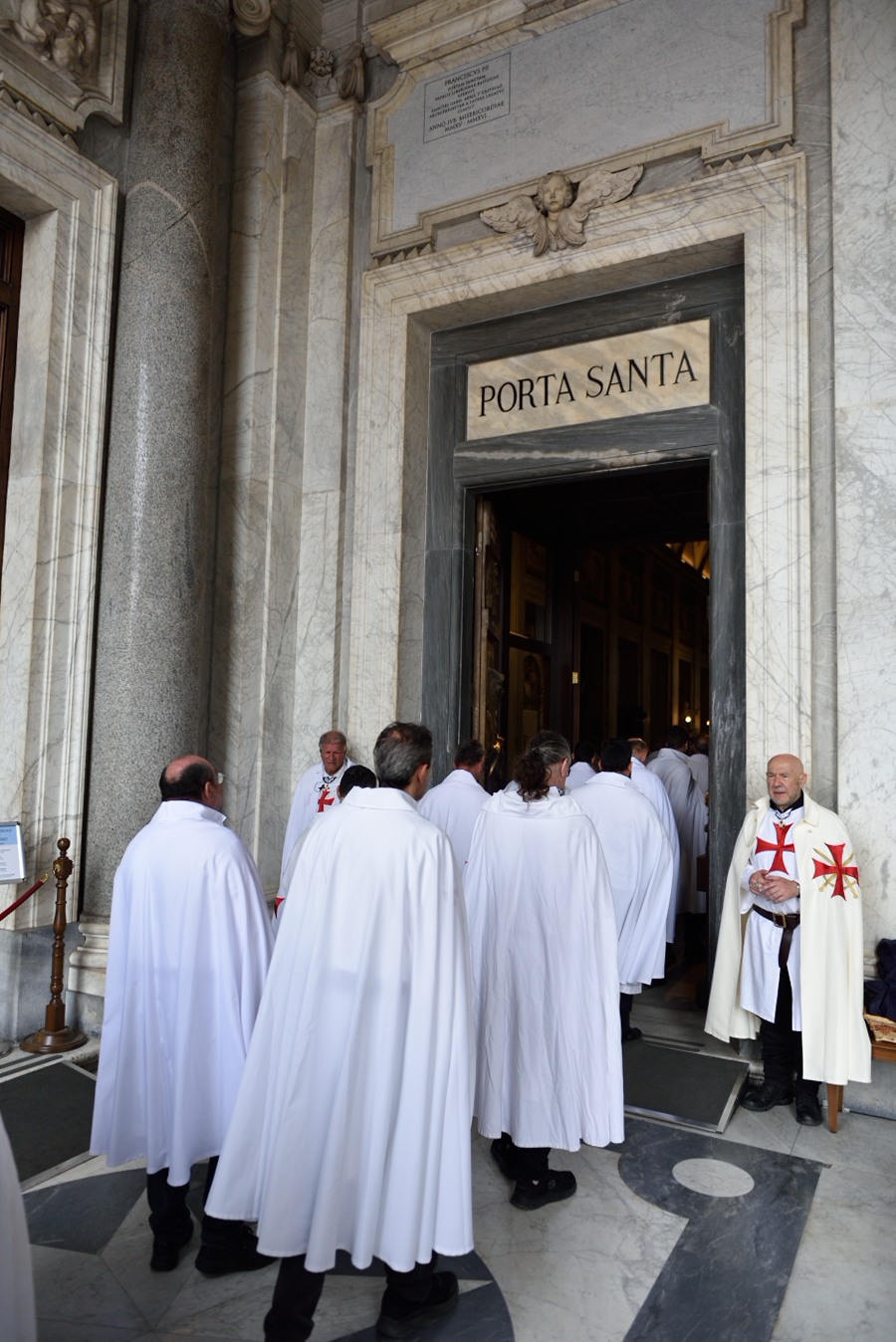
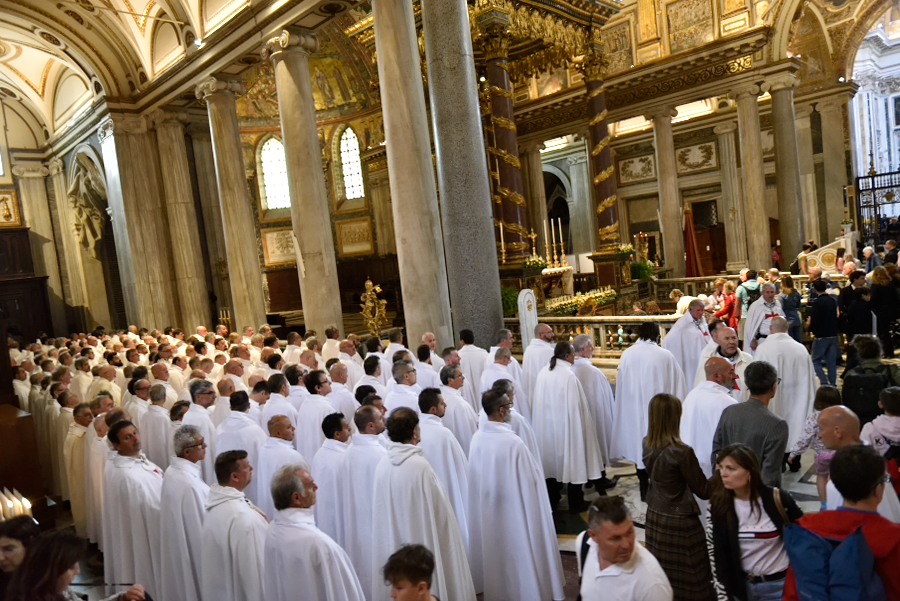
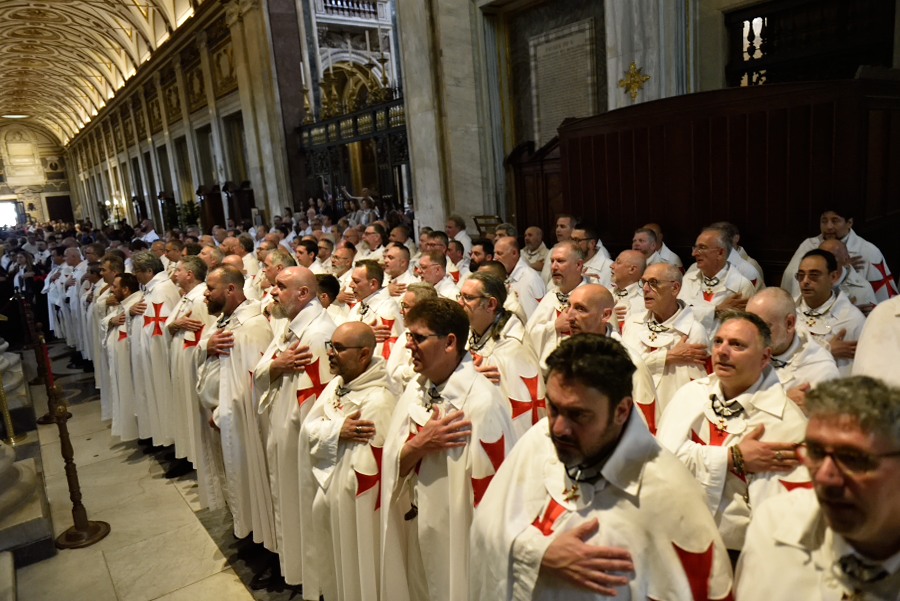
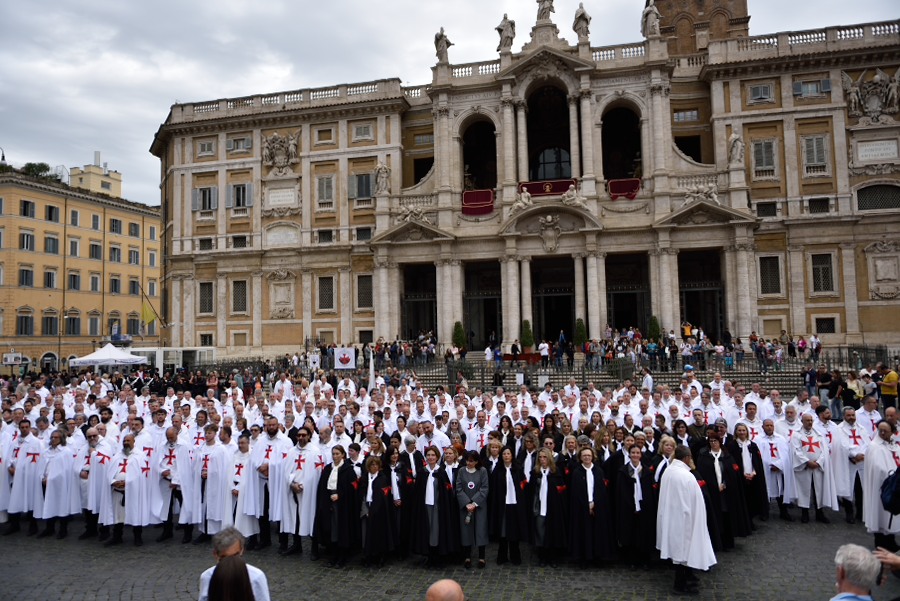
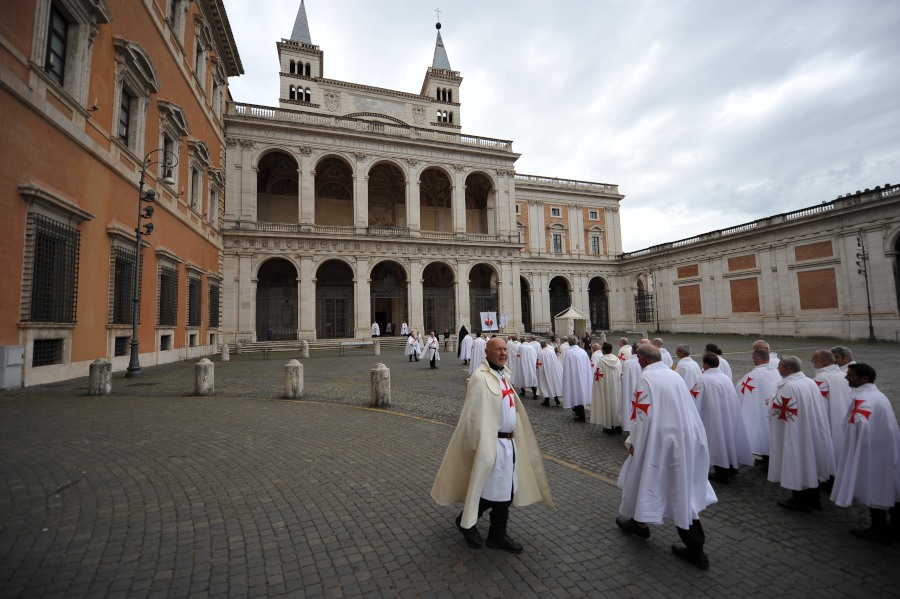
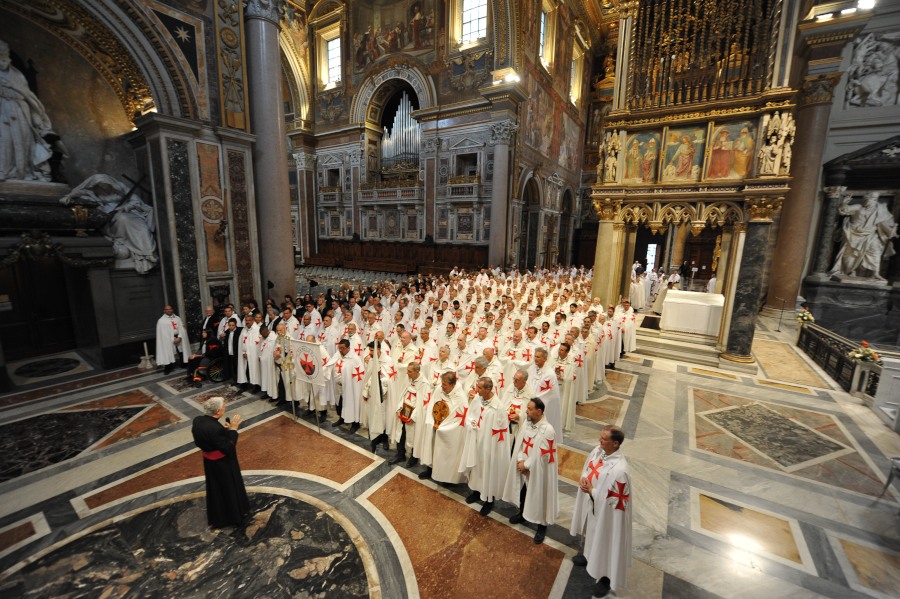
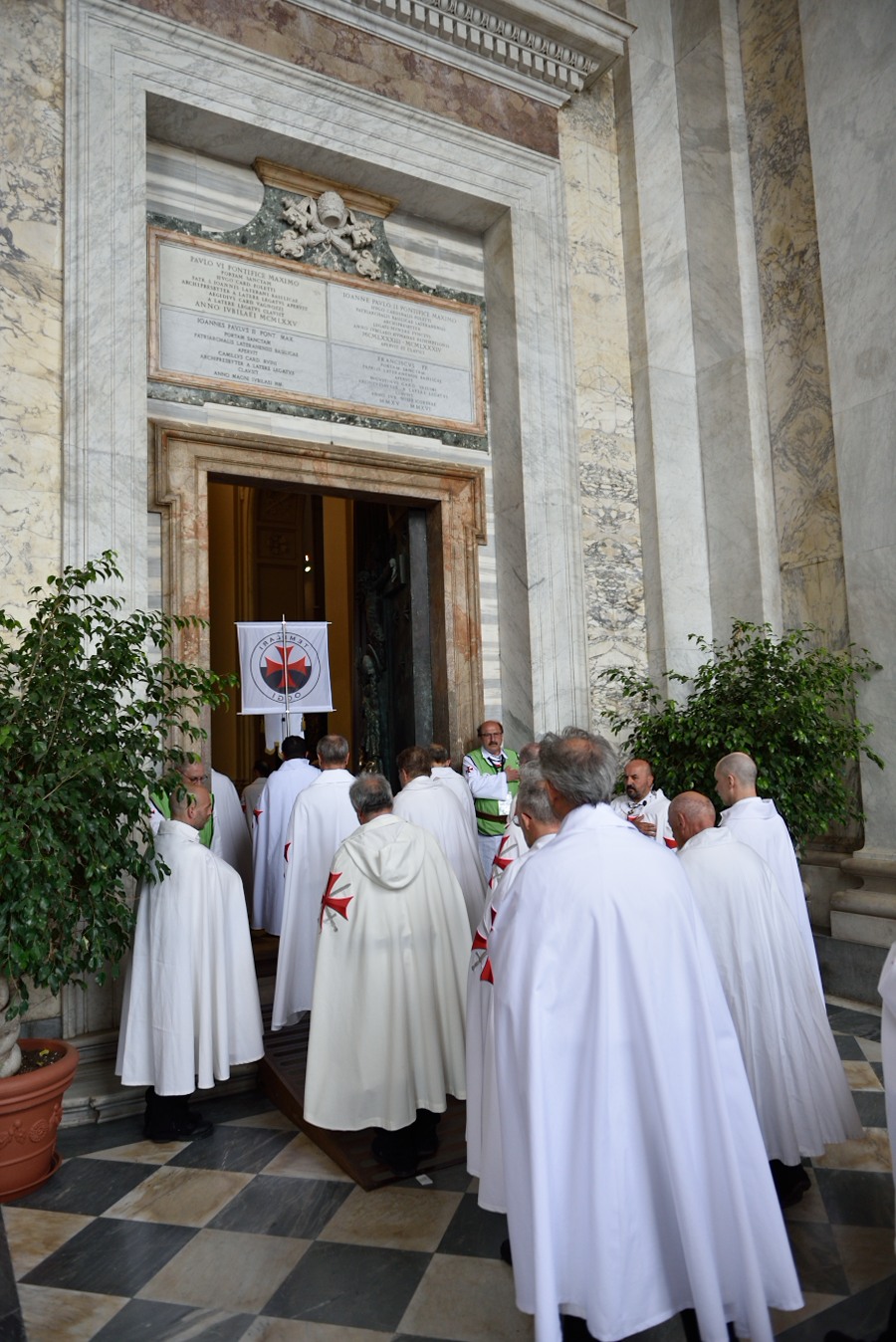
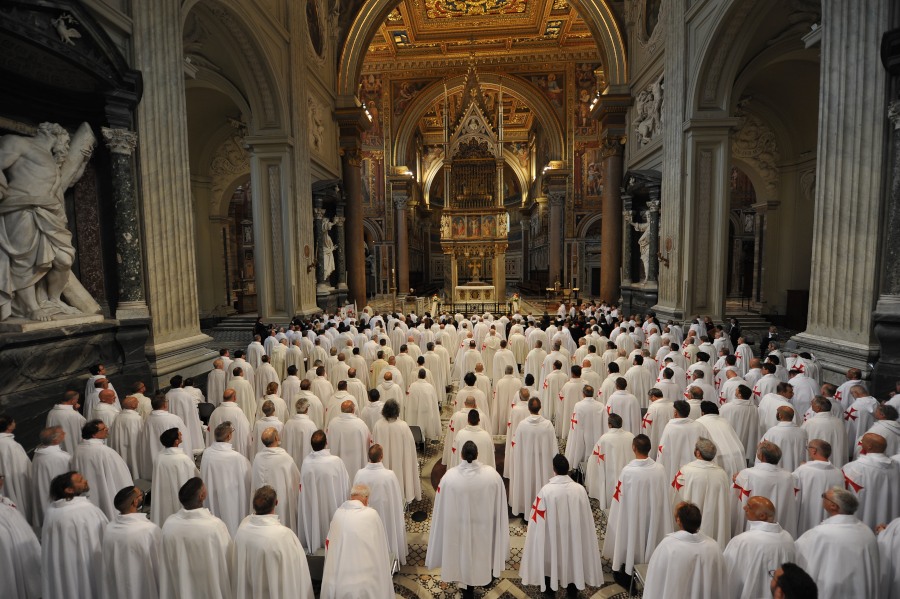
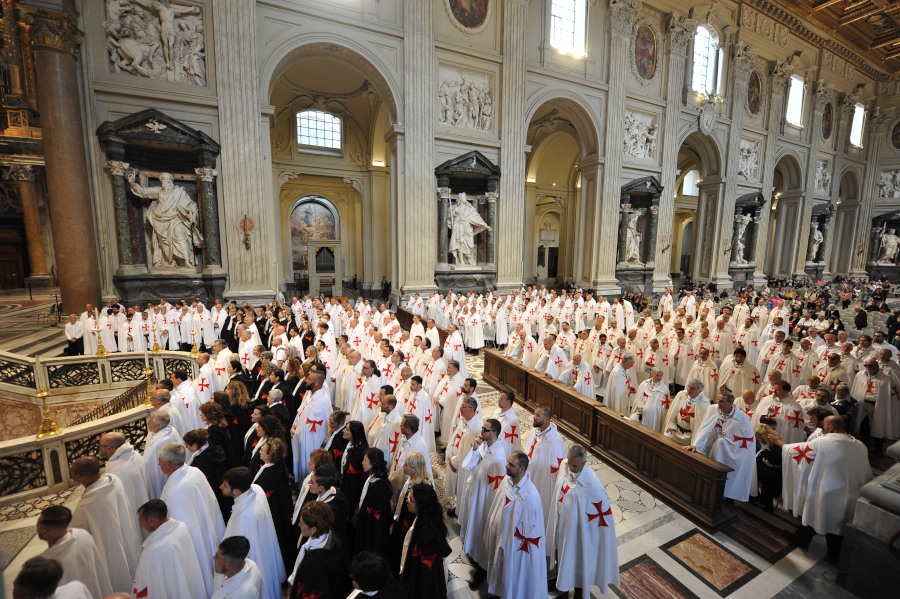
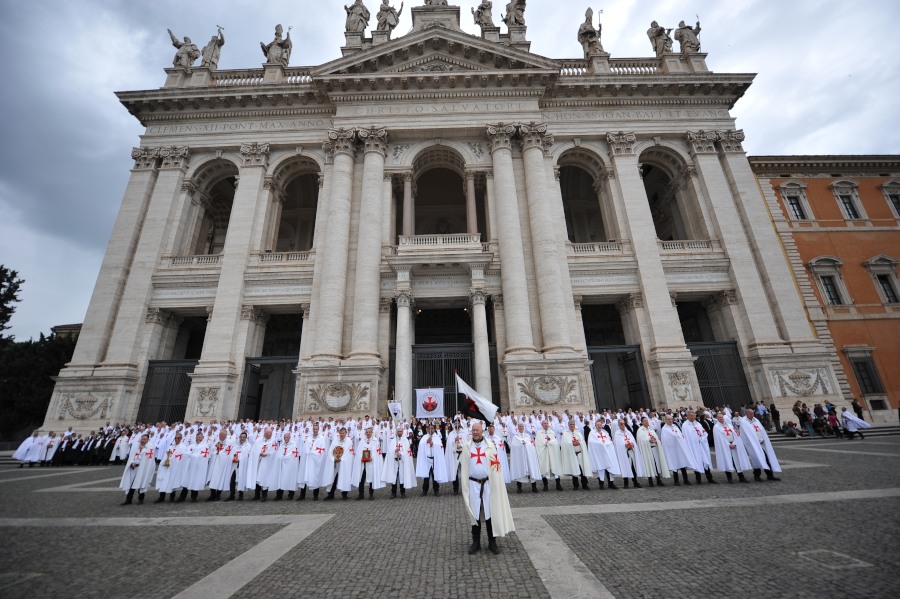
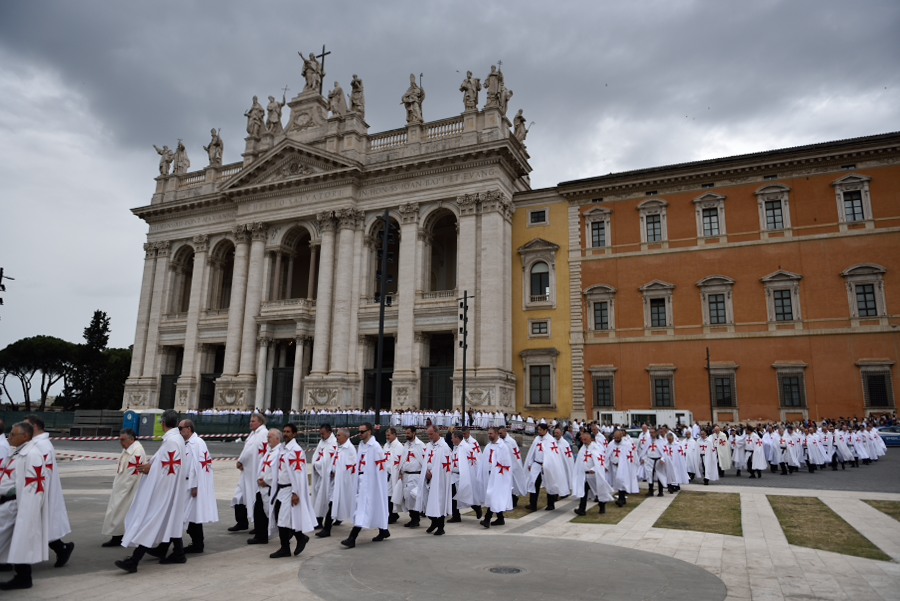
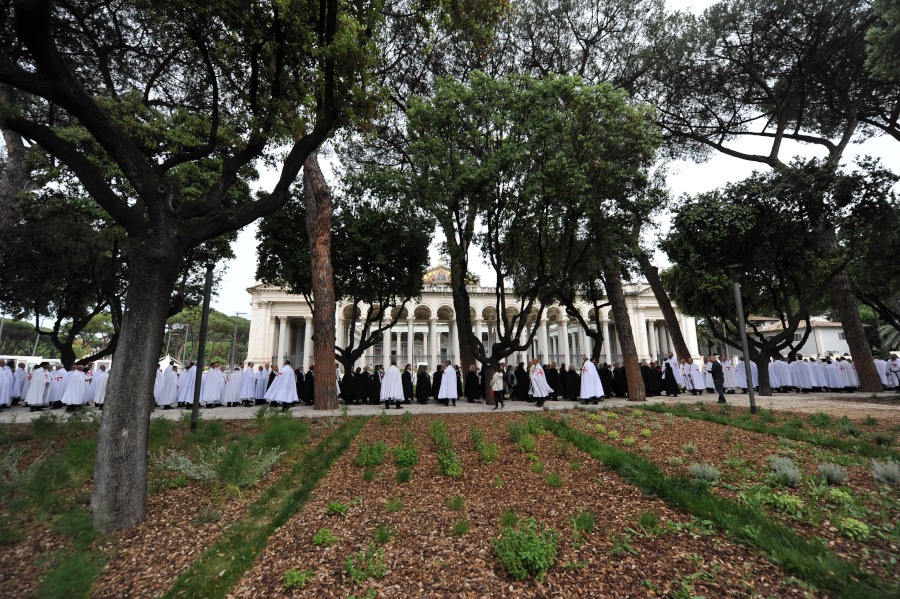
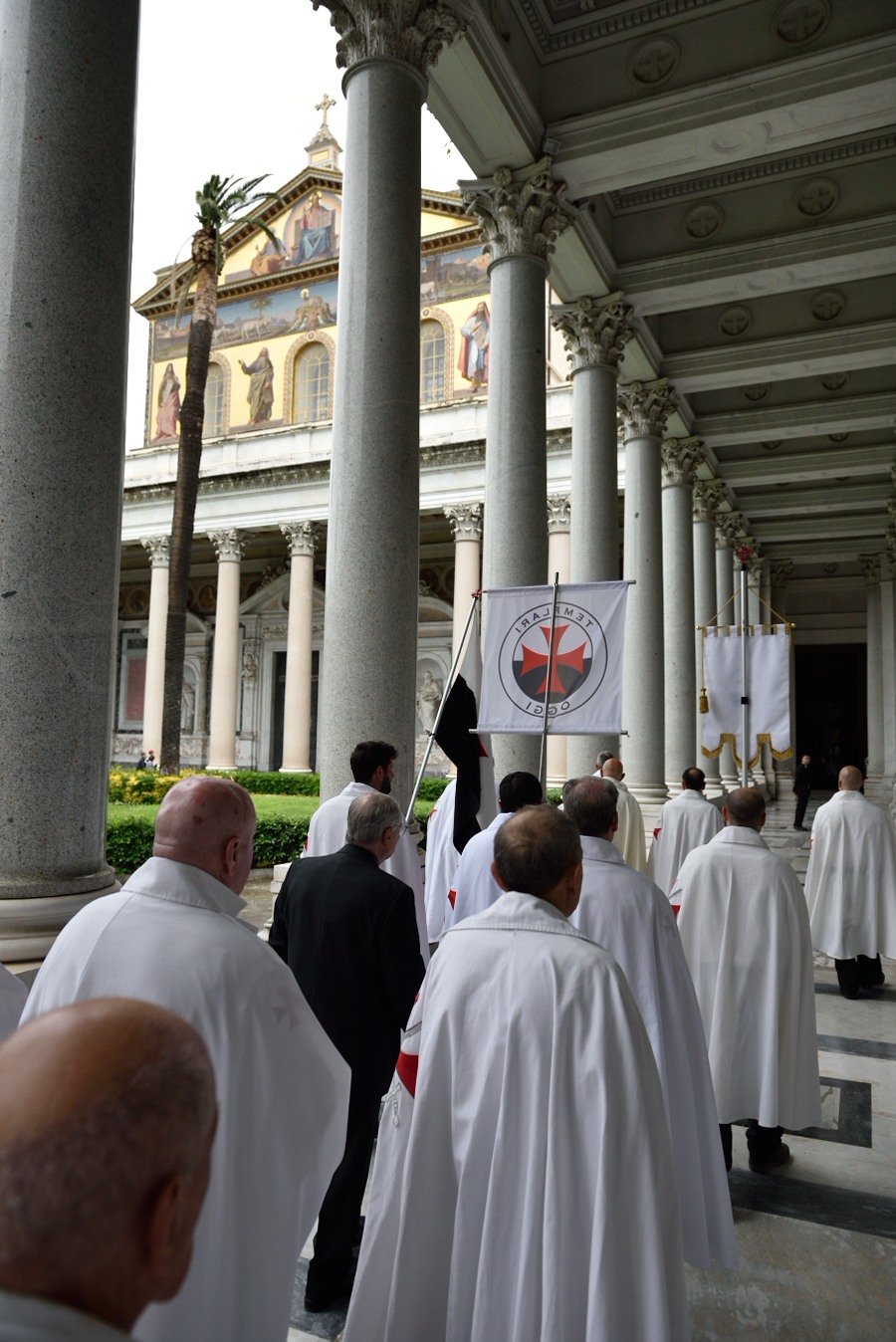
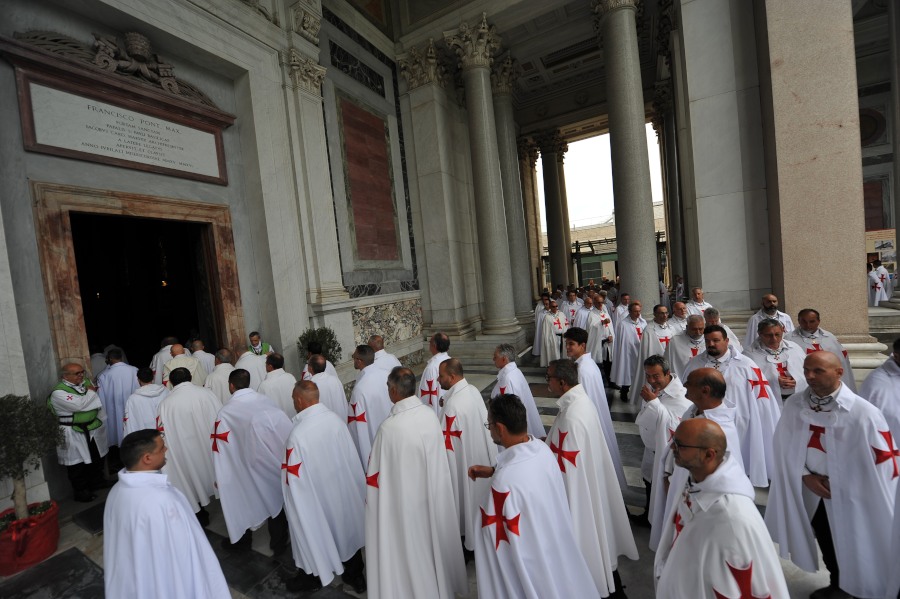
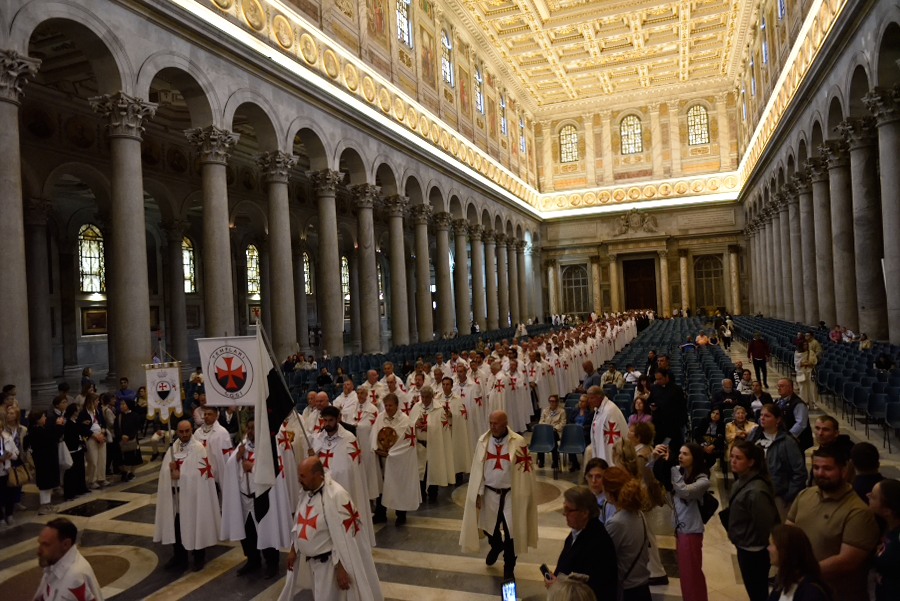
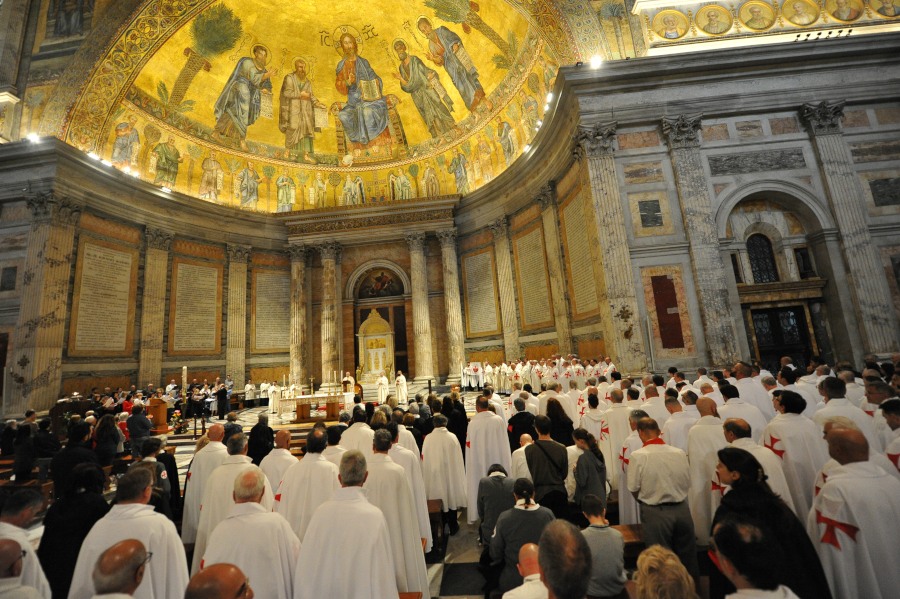
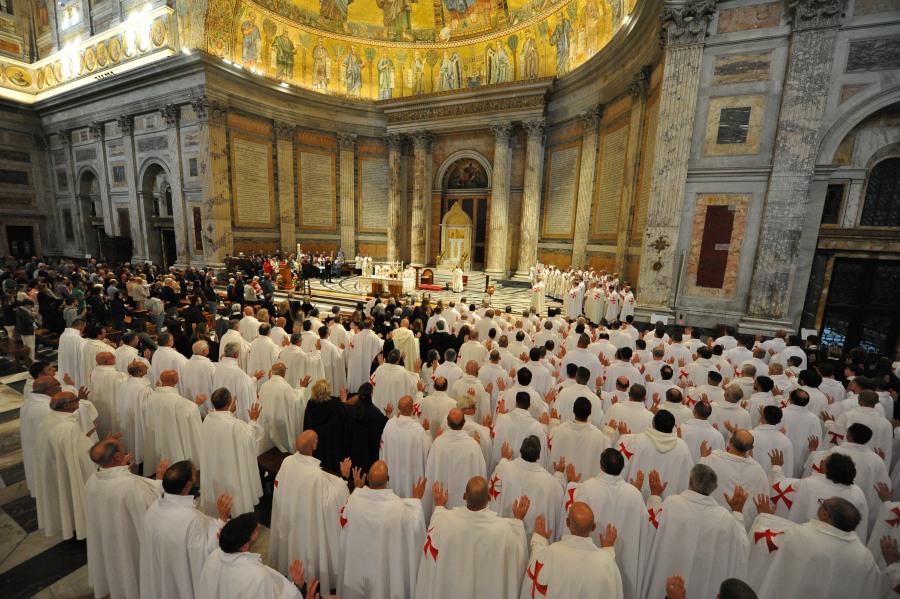
Rome, May 4, 2025On a Sunday filled with spirituality and significance, Rome and the Vatican City witnessed a historic event: over 600 Templars Today — men and women from Italy, France, Germany, Poland, Spain, Austria, Switzerland, Belgium, the Netherlands, England, Scotland, the United States, Portugal, and China — gathered to celebrate the Jubilee of the Templars Today, marking the first time in history that members of the Order officially entered St. Peter’s Basilica.
The chosen date, May 4, is traditionally dedicated to the veneration of the Holy Shroud, whose image powerfully evokes the mystery of Christ’s Passion and Resurrection. The Templars have long held a special bond with the Shroud, preserving its memory and symbolism through the ages. Honoring it on this day, by crossing the Holy Door, became a profound act of spiritual renewal and continuity with their ancient calling.
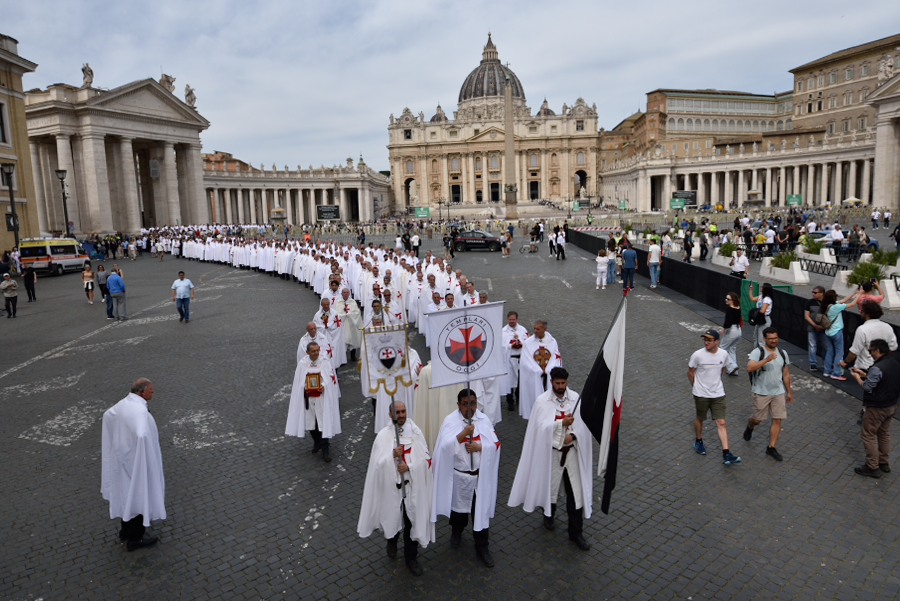
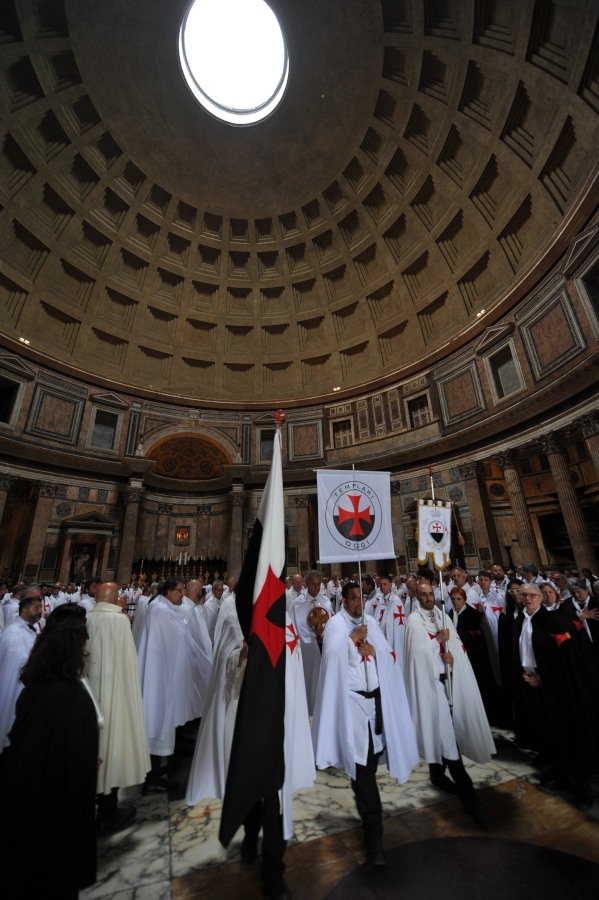
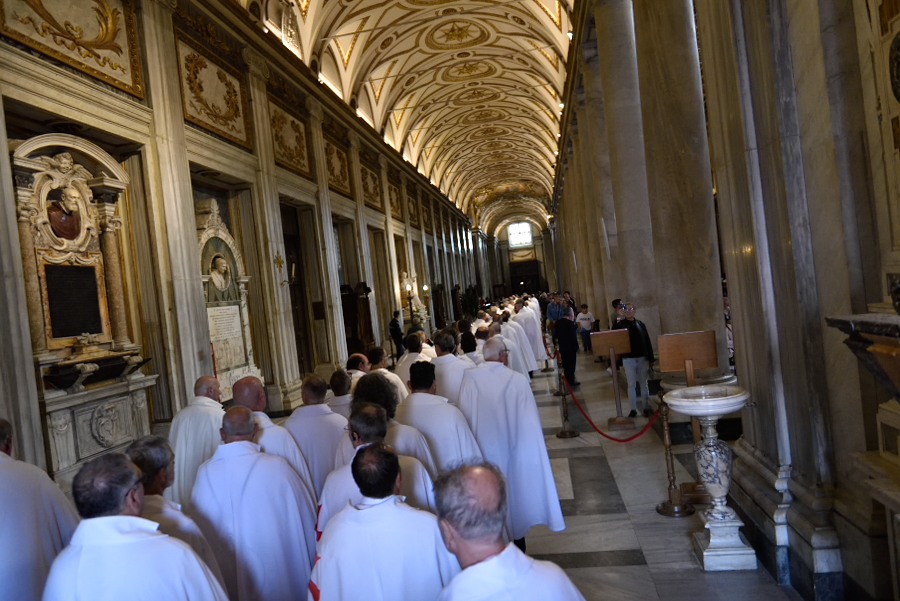
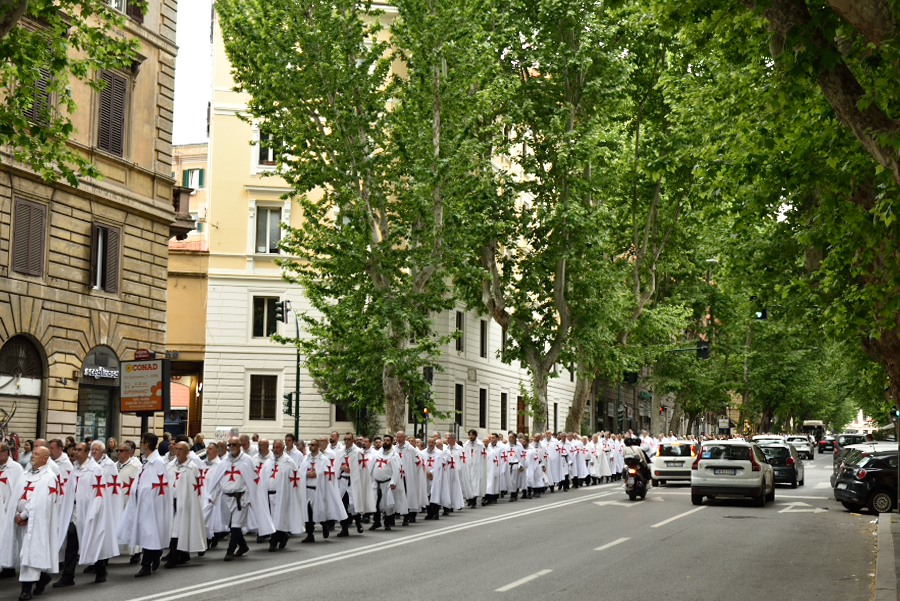
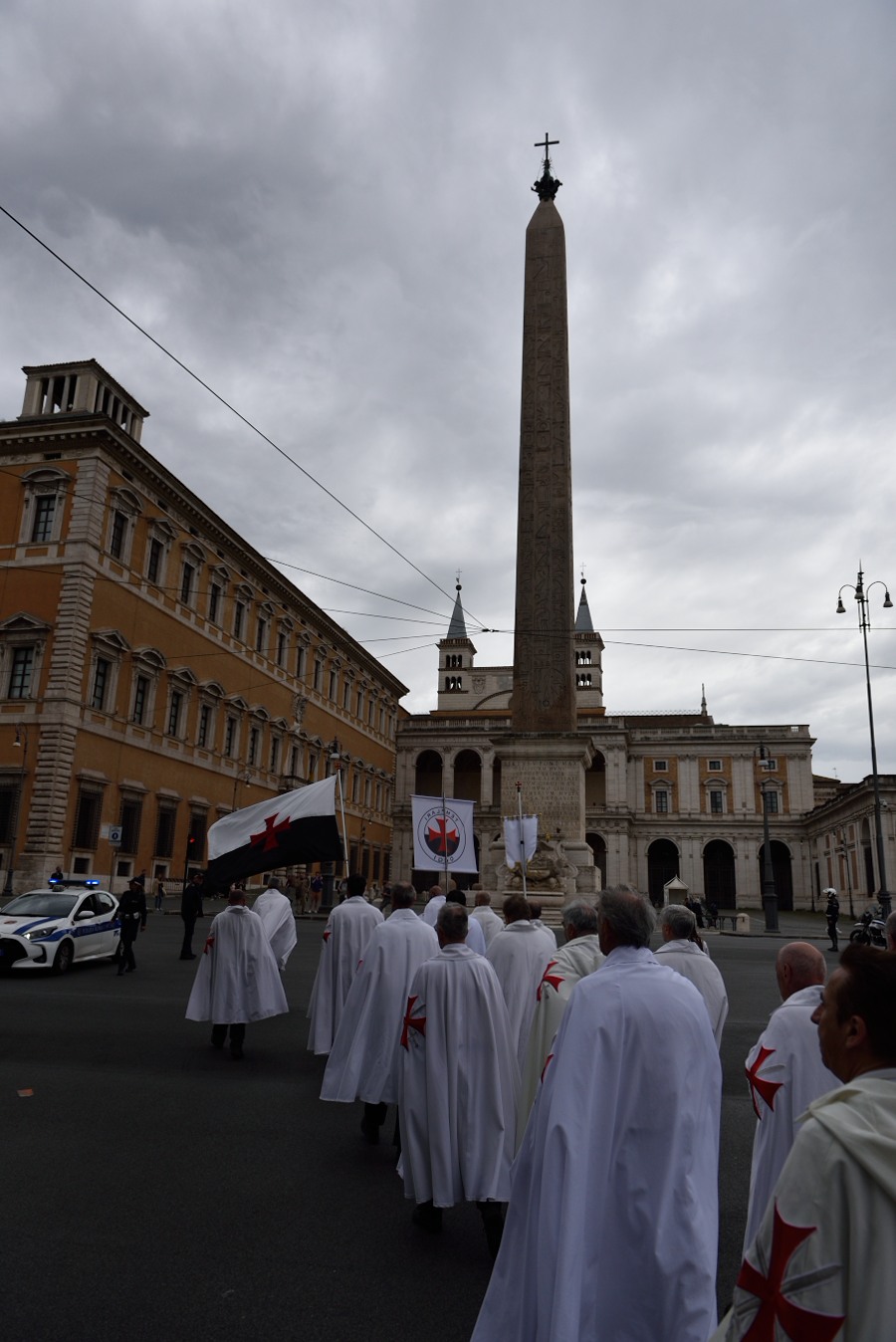
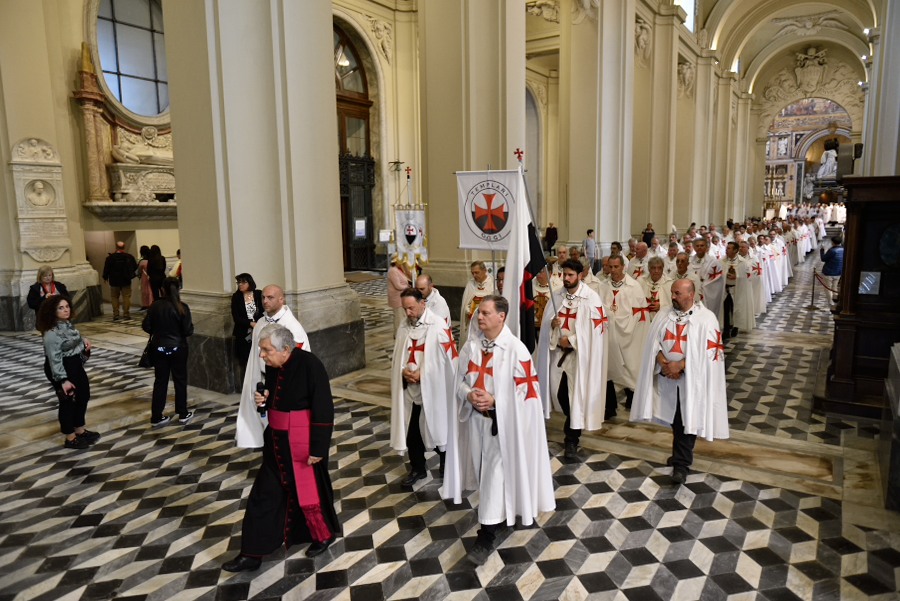
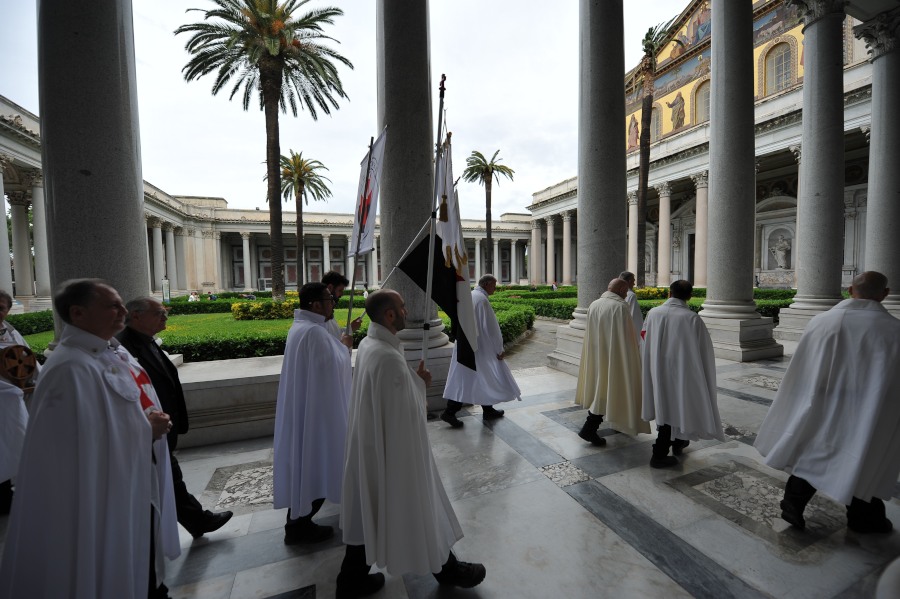
Their pilgrimage did not end at the Vatican. In a silent and prayerful march, the Templars completed the entire cycle of the four Holy Doors of Rome in a single day: from St. Peter’s, they walked to St. Mary Major, where they prayed at the tomb of Pope Francis; continued to St. John Lateran, Rome’s Cathedral and papal seat for nearly a millennium since the time of Emperor Constantine; and concluded at St. Paul Outside the Walls, where the closing Jubilee Mass was celebrated. In addition a prayer inside of the famous Pantehon.
During this journey, the Templars solemnly carried 17 sacred relics through the streets of Rome, including a fragment of the True Cross and a fibril of the Holy Shroud — recently entrusted to the Order after the conclusion of a scientific study conducted by a pool of international researchers. The presence of these relics added deep spiritual resonance to the pilgrimage, transforming the city streets into a living shrine of devotion and memory.The celebration of the Mass at St. Paul Outside the Walls was presided over by His Excellency Bishop Guerino Di Tora, offering a moment of great unity and grace. Earlier, at St. John Lateran, the Templars were welcomed by Monsignor Enzo Pacelli, Canon of the Basilica, who acknowledged the historical and spiritual importance of the event.
Crossing all four papal basilicas in a single day represents, symbolically, the complete journey of faith — a testimony of conversion, devotion, and commitment. The white-cloaked Templars, marked by their red "paté" cross, captivated pilgrims and locals alike with their silence, discipline, and prayerful presence: a true “army of peace.”
But this Jubilee is not a one-day event. Throughout the Holy Year, members of the Order are engaged every weekend in a mission of custody and witness, serving pilgrims and sacred spaces in Rome. In particular, they assist along Via della Conciliazione toward St. Peter’s Square, at St. Paul Outside the Walls, at St. John Lateran, and in three other significant churches across the city — standing watch in silence and devotion, ensuring every pilgrim feels welcomed and spiritually accompanied.
The Templars Today reality, present in more than 15 nations and composed of over 3,000 members worldwide, is led by Fra Mauro Giorgio Ferretti, Magister Templi. The Order is known for its quiet and deeply traditional style, grounded in service, spiritual formation, and for the present and future of evangelization. This Jubilee marks not only a historic milestone, but also a prophetic sign for our time: a renewed call to the heart of the Church, to the meaning of pilgrimage, and to a faith truly lived, in devoted and silent prayers for the incoming Conclave and for the new Pope.Non nobis Domine, non nobis, sed nomini Tuo da gloriam!
Article
‘Golden Thread’, Italy & Myanmar: 7 centuries of enduring bonds
A book edited by Nicolò Tassoni Estense, Italian ambassador to Myanmar, and Piero Masolo, a PIME missionary, traces the cultural exchanges between the two countries, from Marco Polo and technicians from Piedmont (Italy) to the first missionaries. The cooperation is today being renewed even in Yangon’s most underprivileged areas, where diplomatic staff and the New Humanity NGO handed out over 2,100 meals to local families on Italy’s Republic Day.
Yangon (AsiaNews) – The relationship between Italy and Myanmar spans more than seven centuries, with Marco Polo's travels, Barnabite and PIME missions, explorers from Piedmont and technicians from Italy called to the court of the kings of Ava, which a book titled Il filo d’oro, The Golden Thread, which seeks to recreate.
The ties between the two countries continue today thanks to the cooperation promoted by the Italian Embassy in Yangon together with New Humanity, an NGO linked to Pontifical Institute of Foreign Missions (PIME).
On Tuesday, the staff of Italy’s diplomatic mission in Yangon, with the logistical support of New Humanity, organised for the third consecutive year a large-scale distribution of meals for a vulnerable community located on the outskirts of the city.
Thanks to donations collected from embassy staff, more than 2,100 meals were given to families in need, such as “rice, chicken, vegetables, and condiments”, said Nicolò Tassoni Estense, head of mission at the Italian Embassy in Yangon and editor of Il filo d'oro, together with PIME missionary Piero Masolo, speaking to AsiaNews.
"We celebrate (Italy’s) Republic Day not only with the traditional diplomatic reception, but also by trying to give concrete form to the values of solidarity enshrined in the Italian constitution”, he added. “The embassy staff, both Italian and local, participated directly in the meal distribution, seeking to offer not only material assistance but also a smile and moments of human closeness.”
The diplomat said he was particularly struck this year by the large number of children present and the dignity with which the families awaited their turn.
"It's moving to see truly poor families waiting their turn with dignity, with composure and patience. For us, this initiative represents a moment of sharing that unites all the embassy staff and reflects a profound communion of Christian and Buddhist values, both connected to the idea of solidarity and giving."
This was also made possible thanks to New Humanity's local roots. “We are truly grateful to them because only thanks to the deep roots of their work alongside this community, the trust they have earned, and their ability to mobilise positive energy, is it possible to carry out such an initiative in a complex context like Myanmar.”
The meal distribution initiative and the book come at a particularly delicate time for Myanmar. As a result of the military coup in February 2021, the country has plunged into a civil war that has claimed thousands of lives and displaced millions. Adding to this crisis, a devastating earthquake struck on 28 March 2025, making the humanitarian situation even worse.
Precisely for this reason, looking at the long history of relations between Italy and Myanmar means remembering that the bonds between the two peoples have survived wars, crises, and political transformations.
The stories united by this “golden thread” remind us that the relationship between Italy and Myanmar is not limited to cooperation in response to recent emergencies, but is also rooted in a much longer history.
The book begins in the 13th century with Marco Polo, considered the first European to have left records of what is now Myanmar.
In the following centuries, other travellers arrived from Italy, including Niccolò de' Conti, who contributed to the dissemination of the first geographical knowledge of the country in Europe.
The role of Catholic missionaries was particularly important. The book notes the work of the Barnabites in the 17th century, who introduced the Burmese language and culture to Europe. The Oblates of the Virgin Mary subsequently inherited this legacy, fostering one of the most surprising chapters in the diplomatic history between the two countries.
After Italian unification, the government led by Camillo Benso di Cavour sought to develop a privileged relationship with the Burmese kingdom in an effort to open new commercial and political prospects in Asia.
Another key chapter is dedicated to the PIME missionaries, who worked in the remotest regions crossed by the Salween River, in present-day Shan and Kayah states.
The missionaries engaged in educational and assistance activities for tribal populations in areas often hard to reach even by British colonial authorities, which later led to the creation of a series of dioceses.
In the 20th century, the figure of Salvatore Cioffi emerged; known as Lokanātha, he is one of the first Westerners to convert to Theravada Buddhism.
The book is part of a broader cultural project promoted by the Italian Embassy in Yangon. Last year, also on Republic Day, it hosted the exhibition 700 Years of Bonds: Unveiling the Journey of Italians in Myanmar, dedicated to Italian travellers, missionaries, diplomats, and technicians who lived and worked in the “Golden Land” over the centuries.
According to Tassoni Estense, recreating this mosaic of encounters allows us to understand how Italians and Burmese interacted for centuries "peacefully and enriching each other”, in a history very different from that marked by the colonial experience of other European powers in Asia.
The "golden thread” between the two countries continues today, even through small gestures of solidarity.
For Ambassador Nicolò Tassoni Estense, the book is also a sort of legacy, as his mandate in Myanmar comes to an end. “I will always carry with me the memory of this profound exchange with the Burmese people”, he said. "And I will try to continue to support New Humanity's work even from afar."
Photo: Italian Embassy in Yangon/Facebook
Article
The ‘Golden Thread’ between Italy and Myanmar: seven centuries of enduring bonds | AsiaNews
Inside Venezuela’s Giant Sinkholes: A World Within a World
Hidden on the remote Sarisariñama tepui in Bolívar State, Venezuela, enormous sinkholes plunge deep into ancient quartz sandstone. Dense forests grow inside these isolated cavities, creating a landscape that looks like a world hidden within another world. How were these gigantic natural formations created — and what might still be hidden deep inside them?
https://www.youtube.com/shorts/HdSOgWgGrwQ?feature=share