Discovered buried under volcanic ash
Video
https://www.youtube.com/shorts/DKEsOegntfc?feature=share

Video
https://www.youtube.com/shorts/uoUpQx5-t3k?feature=share
In this episode, we uncover the stunning discovery of a vast underground labyrinth hidden beneath a historic Peruvian temple. Long dismissed as legend, archaeologists have now confirmed the existence of ancient tunnels stretching kilometres beneath the Incan city of Cusco. Historical texts from the 16th century hinted at these passages, but modern exploration has finally brought proof. The tunnels appear carefully engineered, mirroring the city’s streets above. Researchers believe they may have been used for ceremonial or royal movement, revealing a remarkable chapter of Incan ingenuity.
Video
Edited By Anamica SinghPublished: Jan 05, 2026, 14:39 IST | Updated: Jan 05, 2026, 14:39 ISTA complex tunnel system has been discovered in Peruvian Andes. Photograph: (Unsplash)
Story highlightsFolklore, rumours and beliefs about the presence of a complex tunnel system under the Incan Temple of the Sun in Cusco have all been confirmed. Scientists have found a labyrinth known as a chincana in this region, which supposedly mirrored the streets above.
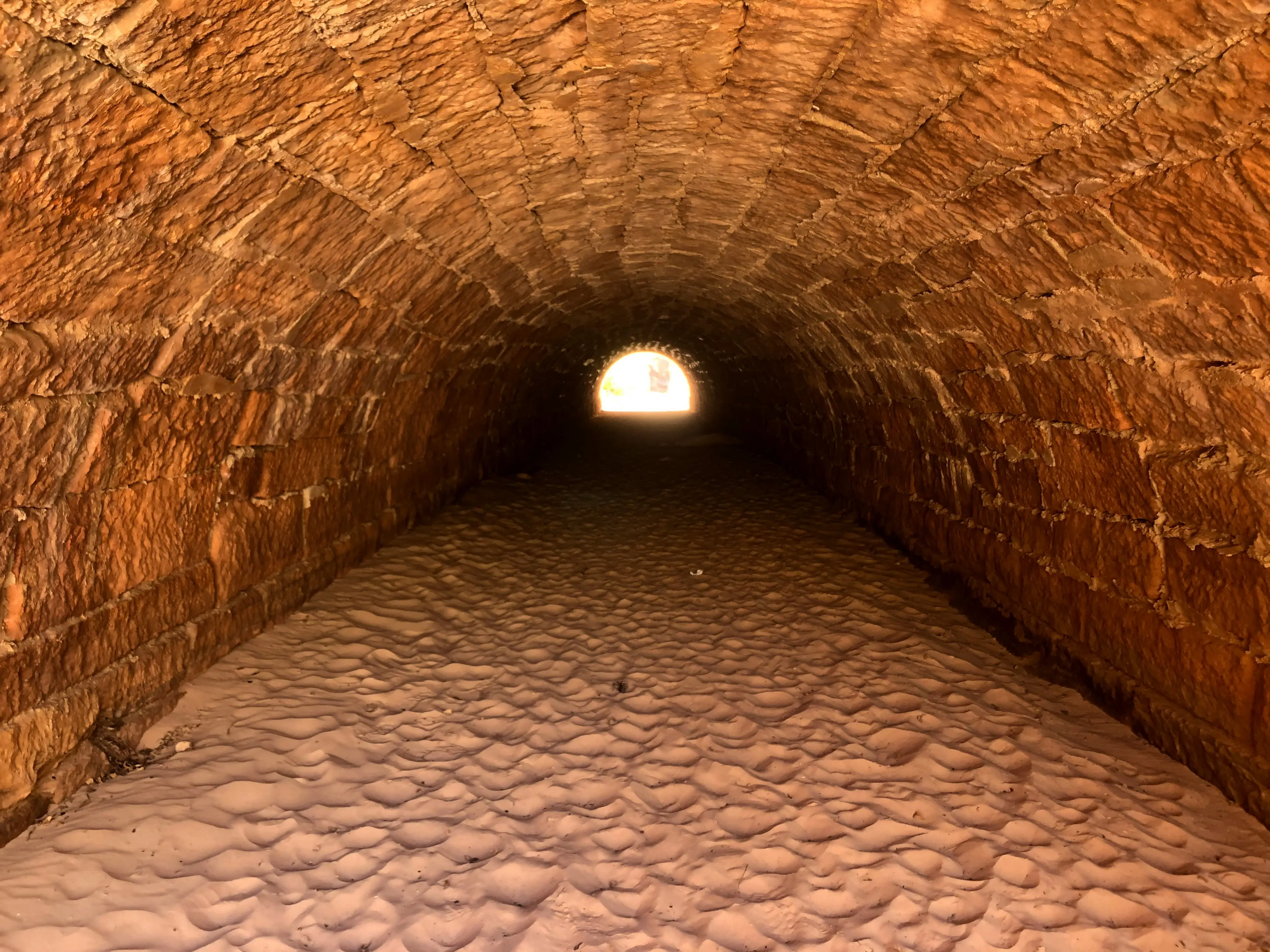
Archaeologists have discovered a labyrinth of tunnels under the Incan Temple of the Sun in Cusco, Peruvian Andes. Some of them stretch for 1.6 kilometres, and confirm what has been suspected for several years. This labyrinth is known as a chincana and does not find a direct reference in any texts, except vague hints. One of the historical texts dates as far back as the 16th century. Now, we finally have confirmation that this labyrinth of tunnels was real. A main branch connects the temple to the fortress of Sacsahuaman, around two kilometres away, archaeologist Jorge Calero Flores said at a news conference. His team found three smaller branches—one near the Church of San Cristóbal, another to an area near the fortress, and a third to an area known as Callispuquio.
Flores added that the tunnel system is roughly 8.5 feet wide and 5.2 feet high. "We suspect that the Inca could have been carried in litters through there," he was quoted as saying by The Jerusalem Post, adding that the Inca people built these tunnels. Construction included digging up the trenches and then adding stone walls and carved-beam ceilings for support. According to the Flores team, the tunnels mirrored the above-ground street network of the ancient Incan city of Cusco.
Article
500-year-old rumoured labyrinth under Peru temple proves to be real: 'We suspect that...'
This ancient city is absolutely massive
Journey to the heart of ancient Mexico with this captivating video showcasing the majestic `teotihuacan` site. Explore the grand `pyramids` and discover the `ancient` wonders that define this iconic `historical places`. This video offers a glimpse into the rich `archaeology` of one of Mexico's most significant historical sites.
Video
https://www.youtube.com/shorts/cmqbWxpm1cQ?feature=share
This Ancient Tool Made Fire—No Matches, No Magic
Thousands of years ago, people in Southeast Asia figured out how to make fire—without matches, lighters, or even sparks. It’s called a fire piston, and it works using pure air pressure. By slamming a piston into a sealed cylinder, the air inside heats up instantly and ignites tinder. This simple but genius invention spread across the world and even helped inspire early diesel engines. Watch how ancient science lit the way—literally.
Video
https://www.youtube.com/shorts/Lmy5UzzzwOU?feature=share
&imwidth=800&imheight=600&format=webp&quality=medium "500-year-old rumoured labyrinth under Peru temple proves to be real: 'We suspect that...'")