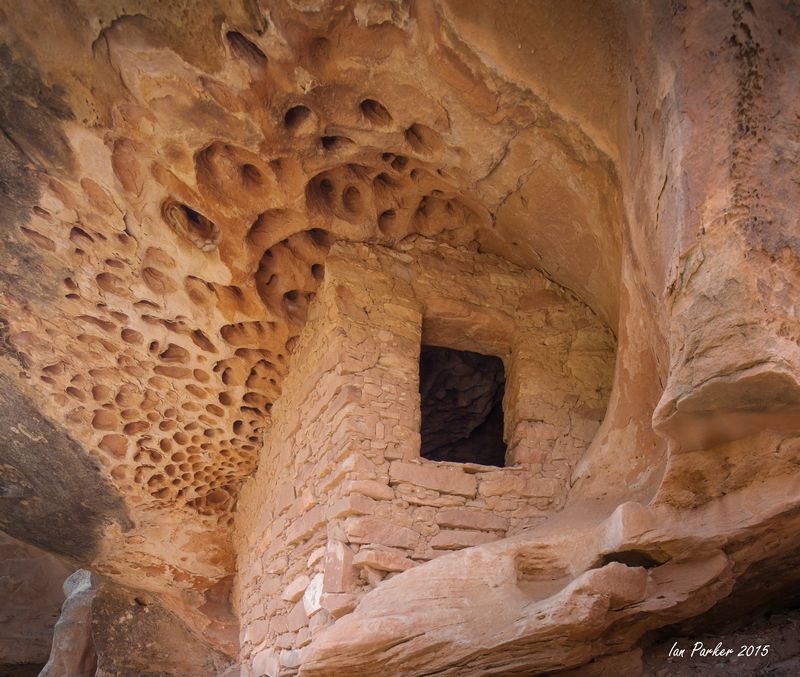
Archaeologist are finding ancient structures and sites but they also find several normal size artifacts that provides the story and history of the culture. They usually find pottery and sculpted objects since these are located in dwelling places. However several artifacts are as small as marbles and have lost most of its features which makes it unrecognizable. Here's an example of one artifact that may be impossible to discern. If someone found a damage bean in one of these archaeological site, then they'll likely conclude that it's a ration food that was stock somewhere in the kitchen. They're right usually, however they still have to bring the minute artifact to the lab and have it scientifically tested to find out the composition and the type of bean. Scientist are probably be able to identify the specie of the bean and determine whether it was edible food or used for something else. Since the bean is damage then we may be missing some information that may provide us a conclusive result. A peculiar bean found only on mountains on a few states in Mexico and Costa Rica is one example that's difficult to identify if the bean specie was to be discovered in an archaeological site in some distant future. The specie is called the Mexican jumping bean which is known for moving and jumping around which makes people think that the bean itself is alive. Scientist will be able to identify it as a bean but will they be able to identify the specie? They usually are able to identify it scientifically but some times the result is inconclusive and this example could be one of the few that may be considered indeterminate. The damage bean isn't damage actually. What appears damage is actually a trap door for the moth to open up allowing itself to fly freely without any intention of coming back to the bean. Without the moth sample to be tested, scientist may arrive to a different conclusion.
https://en.wikipedia.org/wiki/Mexican_jumping_bean
Videos




_tweak.jpg)