Tags
Tab Item Content
Join Us!
Archives Meta
Archaeology by Prau...
 
Notifications
Clear all

Archaeology [Sticky] Archaeology by Prau123

2,067 Posts
12 Users
27 Reactions
5.4 M Views
Prau123 avatar
Posts: 3562
Topic starter
(@prau123)
Famed Member
Joined: 7 years ago


The Real Name of America Was Amaruca


America wasn’t named after an explorer. Ancient cultures called this land Amaruca — the land of the feathered serpent.


Video


https://www.youtube.com/shorts/Id-ShExFssw?feature=share


"Amaru-ca" (or Amaruca) is a, often disputed, etymological theory suggesting the continent's name derives from indigenous Andean roots meaning "Land of the Great Serpent" (Amaru), rather than from Amerigo Vespucci. This concept links to Incan mythology, where Amaru represents a sacred, wise, and powerful serpent connected to the earth and water. 
 
Key Aspects of Amaruca
 
  • Andean Mythology: Amaru or katari refers to a mythical serpent or dragon in Aymara and Incan, often associated with wisdom, agriculture, and water.
  •  
  • Indigenous Origin Theory: Some researchers, particularly those exploring pre-colonial histories, suggest that Amaru-ca (Land of the Serpent) predates the colonial designation "America," which is commonly attributed to explorer Amerigo Vespucci.
  •  
  • "Land of the Serpent": The term is interpreted by some as a descriptive name for the landmass, representing a deeply rooted spiritual connection to the earth.
  •  
  • Contrast with Western History: This perspective contrasts with the traditional narrative that Martin Waldseemüller named the continent after Amerigo Vespucci in 1507. 
  •  
While the "Land of the Serpent" theory is popular in some alternative history and indigenous studies circles, the conventional academic origin for the name America remains Amerigo Vespucci. 


The name America actually comes from Amaruca which means land of the plumed serpent. What the natives called the land they lived on.


The Alberino Analysis - Land of the Plumed Serpent, Part 1: What's in a Name?


In part 1 of this analysis, Timothy Alberino debunks the traditional narrative concerning the origin of America's name, and explores the nature of its true meaning. To find out more about the naming of America and its secret meaning, get the book True Legends by author Stephen Quayle here: http://www.stevequayle.com/index.php?...


Video


America was slightly spelled differently from the indigenous name Amaruca on purpose.


Possibly letter 'a', the third letter in Amaruca was replaced with a letter 'e' from Amerigo

Possibly letter 'u', the fifth letter in Amaruca was replaced with a letter 'i' from Amerigo


Several countries were named by people 


Several countries and territories are named directly after historical, royal, or saintly individuals, often acting as a "first name" for the nation. Examples include the Philippines (King Philip II of Spain), Saint Lucia (Saint Lucy), and Bolivia (Simón Bolívar).
Here are countries and territories named after specific individuals or saints:
 
 
Other examples often mentioned in this context include Dominica (named for Sunday, the day of the week, but often used as a name) and El Salvador (referring to "The Savior").


Sovereign countries named after people


Country Source of name
Azerbaijan Atropates (initially Atropatene in Ancient Greek, the name evolved to Azerbaijan in Persian)
Bolivia Simón Bolívar
Colombia Christopher Columbus
Dominican Republic Saint Dominic
El Salvador Jesus
Eswatini (Swaziland) King Mswati II
Georgia (country) Saint George
Kiribati Thomas Gilbert ("Kiribati" is the Gilbertese rendition of "Gilberts")
Marshall Islands John Marshall
Mauritius Maurice of Nassau, Prince of Orange
Mozambique Mussa Bin Bique
Peru Birú, a local ruler who lived near the Bay of San Miguel, Panama City, in the early 16th century.[1]
Philippines King Philip II of Spain
Saint Kitts and Nevis Saint Christopher
Saint Lucia Saint Lucy
Saint Vincent and the Grenadines Saint Vincent of Saragossa
San Marino Saint Marinus
São Tomé and Príncipe Saint Thomas, and the Prince of Portugal to whom duties on the island's sugar crop were paid
Saudi Arabia Saud bin Muhammad Al Muqrin
Seychelles Jean Moreau de Séchelles
United States of America Amerigo Vespucci (see Naming of America)
Uzbekistan Öz Beg Khan (through Uzbeks, see Uzbeks#Etymology)
Venezuela (The Bolivarian Republic of) Simón Bolívar (for the "Bolivarian Republic" part), the name Venezuela is derived from Venice (a city in northeastern Italy). See: Venezuela#Etymology


Wikipedia


List of countries named after people - Wikipedia


Native American names for the continent and surrounding areas often reflect cultural, spiritual, and geographical significance. Prominent names include Turtle Island for North America, Abya Yala (Kuna people) for the Americas, and Kanada (Iroquoian) which became Canada. Specific tribal lands include Dinétah (Navajo) and Lenapehoking (Delaware).
 
Key Native American names and origins include:
 
  • Turtle Island: Frequently used by various North American indigenous nations, referring to the continent's shape.
  • Abya Yala: Used by the Kuna people of Panama, meaning "land in its full maturity".
  • Canada: Derived from the Iroquoian word Kanada, meaning "village" or "settlement".
  • Alaska: Derived from the Aleut word alaksxaq, meaning "the object towards which the action of the sea is directed".
  • Mexico: Originates from Nahuatl, referring to the Mexica people, often translated as "place of Mexi".
  • Dinétah: The traditional homeland of the Navajo (Diné) people.
  • Lenapehoking: The traditional territory of the Lenape (Delaware) people.
  • Ktunaxa ʔamakʔis: The traditional territory of the Ktunaxa people.
  • Nuxalkulmc: The land of the Nuxálk people.
  •  
Many US states and regions also derive their names from native languages, such as Alabama (from the Alibamu tribe) and Wisconsin (from the Ojibwe word wiskonsin).


Reply
Prau123 avatar
Posts: 3562
Topic starter
(@prau123)
Famed Member
Joined: 7 years ago


6,000 Ancient Mines Around Lake Superior


For thousands of years, Indigenous communities mined native copper along the southern shore of Lake Superior — leaving behind more than 6,000 prehistoric mining pits across the Keweenaw Peninsula and Isle Royale.

In this episode of Documentify TV, we examine the physical evidence left behind by one of the earliest sustained metalworking traditions in the Americas. Archaeologists have documented thousands of grooved hammerstones, copper tools, and mining features that show how native copper was extracted directly from bedrock — without smelting, casting, or ore reduction.

Using archaeological surveys, radiocarbon dating, sediment geochemistry, and experimental archaeology, this video explains:

• How prehistoric copper mining worked

• When mining began and when it peaked

• Why utilitarian copper tools declined over time

• Where Lake Superior copper traveled across North America

• Why exaggerated industrial-scale claims are not supported by evidence

Copper from this region has been chemically traced to sites hundreds of miles away, including Hopewell earthworks in Ohio, Cahokia in Illinois, and Spiro in Oklahoma. Over time, copper shifted from a practical material to a ceremonial and symbolic one.

The story told by these mines is not one of a lost civilization — but of Indigenous innovation, long-distance exchange networks, and how fragile the archaeological record can be.

This video follows an evidence-first approach. Where evidence ends, speculation stops.

00:00 Lake Superior and the mining landscape

00:15 Prehistoric copper mining pits

00:40 Tools and physical evidence

01:50 How copper was extracted

02:30 Dating the mines

03:05 How much copper was removed?

03:40 Trade networks across North America

04:50 Why copper tools declined

05:35 What the evidence actually tells us


Video


Reply
Prau123 avatar
Posts: 3562
Topic starter
(@prau123)
Famed Member
Joined: 7 years ago


How many levels do you think this is?


Video


https://www.youtube.com/shorts/J2AEPaNuK04?feature=share


Reply
Prau123 avatar
Posts: 3562
Topic starter
(@prau123)
Famed Member
Joined: 7 years ago


The Shipwreck That Turned Into a Desert Treasure Bom Jesus (1533), treasures worth 13 million


The total estimated value of the treasures found on the Bom Jesus shipwreck is approximately $13 million. The finds included gold coins, silver coins, copper ingots, and over 100 elephant tusks.
 
Valuations of Specific Cargo
The value estimate primarily reflects the commercial worth of the precious metals and ivory at the time of discovery and in today's currency. The historical and archaeological value is considered invaluable for understanding 16th-century trade.
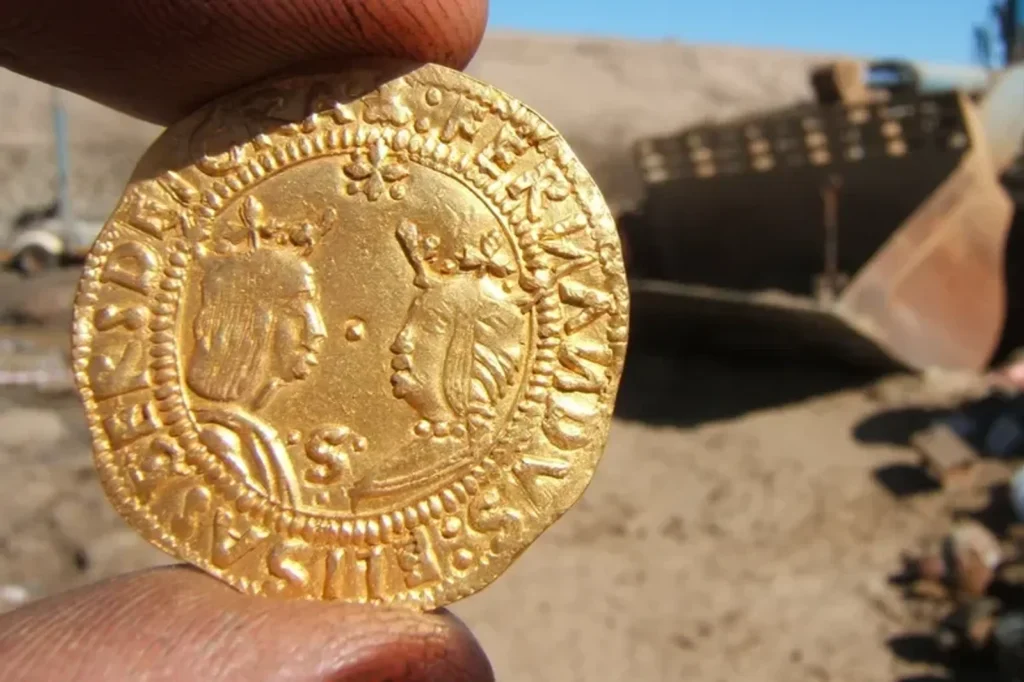
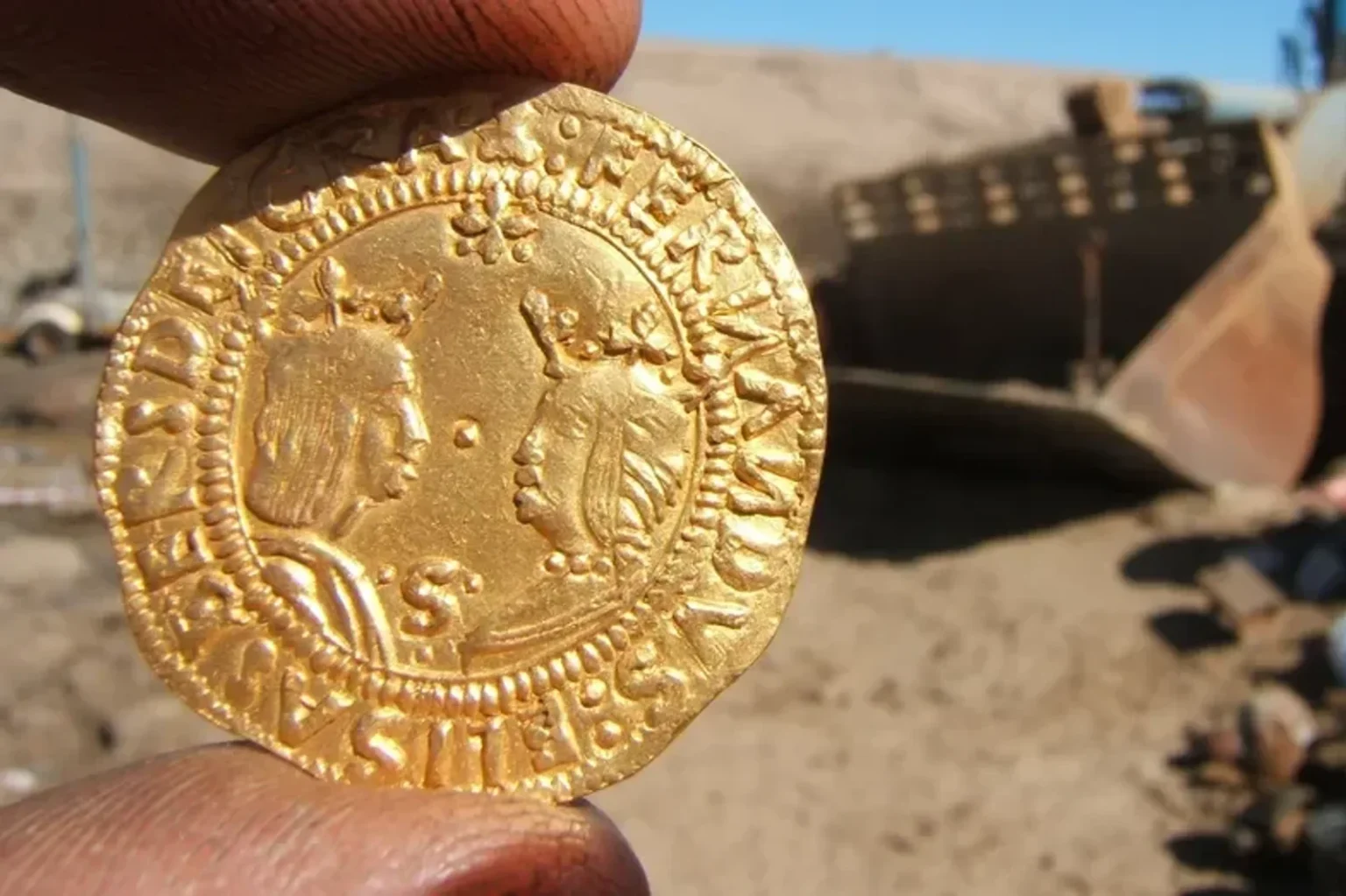
  • Gold and Silver Coins: More than 2,000 gold and silver coins from Spain and Portugal were recovered, with the gold coins alone estimated to be worth around $13 million. Some sources mention a value of up to $16.5 million for the coins.


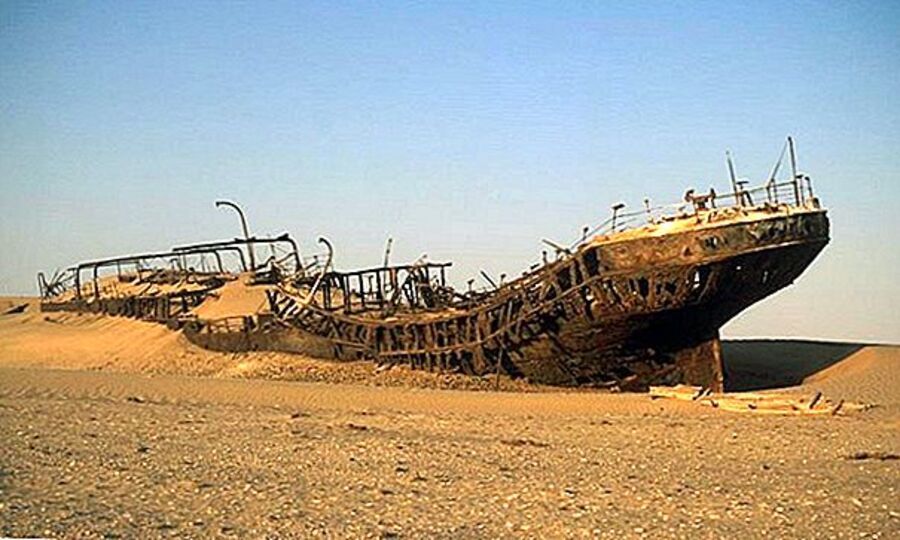
In 2008, diamond miners in Namibia uncovered something impossible — a 500-year-old Portuguese treasure ship buried beneath desert sand. The Bom Jesus vanished in 1533 while sailing from Lisbon to India. What it carried would reveal the early foundations of global trade, colonial ambition, and lost empires. This is the true story of the shipwreck the ocean abandoned… and the desert preserved. Like and subscribe for more.


Video


https://www.youtube.com/shorts/6CG9IL_BFVw?feature=share


Why a Long-Lost Treasure Ship Ended Up in the Desert


Imagine stumbling across a shipwreck… in the middle of a desert! Sounds impossible, right? But that’s exactly what happened with the long-lost Bom Jesus, a 500-year-old treasure ship that vanished off the coast of Africa and somehow ended up buried under sand in Namibia. Turns out, the ship got caught in a storm, sank, and over time, shifting sands swallowed it up, hiding its gold, ivory, and ancient artifacts for centuries. When diamond miners finally uncovered it, they found chests full of gold coins—basically a real-life pirate movie moment! Who knew the desert could hide a ship full of treasure?


Video


Archaeologists Discover a 500-Year-Old Shipwreck in the Desert but What’s Inside Shocked Them!


In 1533, a mysterious event shook the maritime world: a ship carrying gold, precious gems, and treasures vanished without a trace while en route to India. The ship not only lost millions in material wealth but also carried with it the fate of its entire crew. However, no one could have predicted that nearly 500 years later, a chance discovery in a dry desert would unravel all the mysteries of this ship. The Portuguese ship named The Bom Jesus was believed to have carried a massive treasure, including gold, precious gems, and countless valuable artifacts. It set sail from Portugal in 1533, but never reached its destination. While many theories were proposed, the disappearance of this ship remains one of the greatest mysteries in maritime history....


Video


Bom Jesus: The Oldest and Most Valuable Shipwreck Found in the Namibian Desert


In a remarkable archaeological discovery, the Bom Jesus (The Good Jesus), a Portuguese ship that sank over 500 years ago, has been found in the desert of Namibia, revealing a treasure trove of gold coins and other valuable artifacts. The ship, which set sail from Lisbon on March 7, 1533, was lost at sea during a violent storm while en route to India.

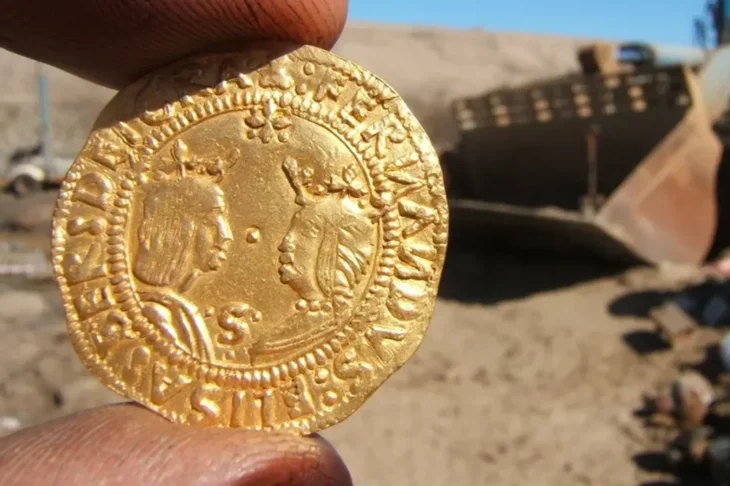
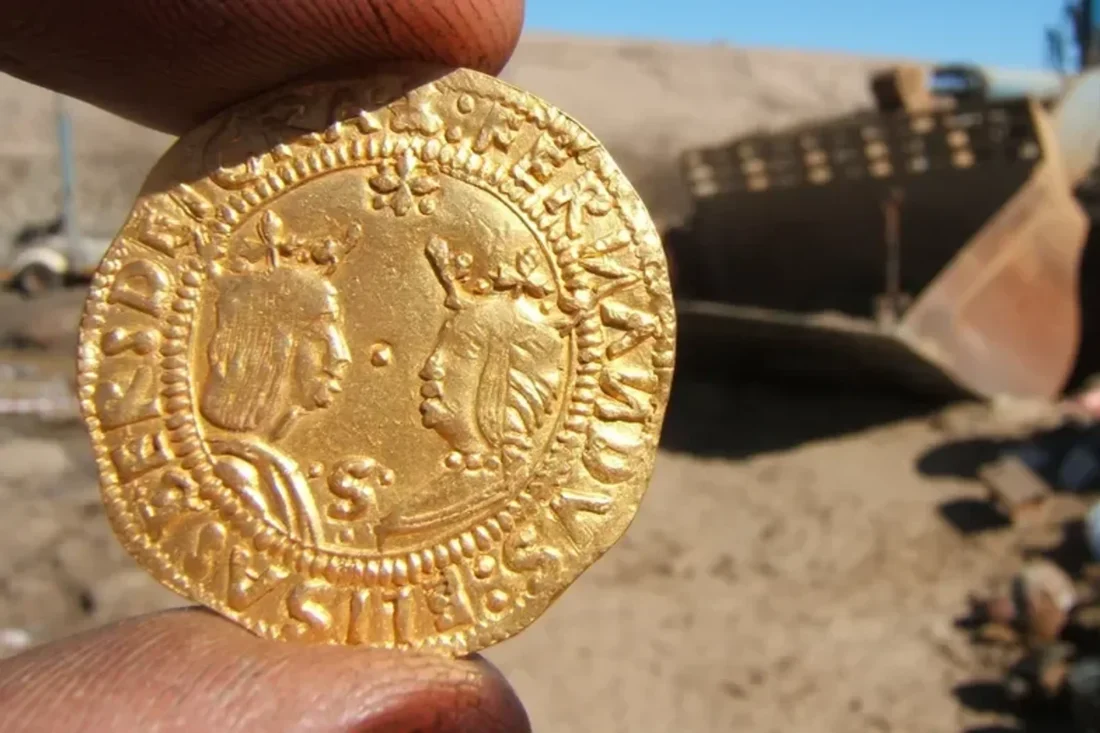
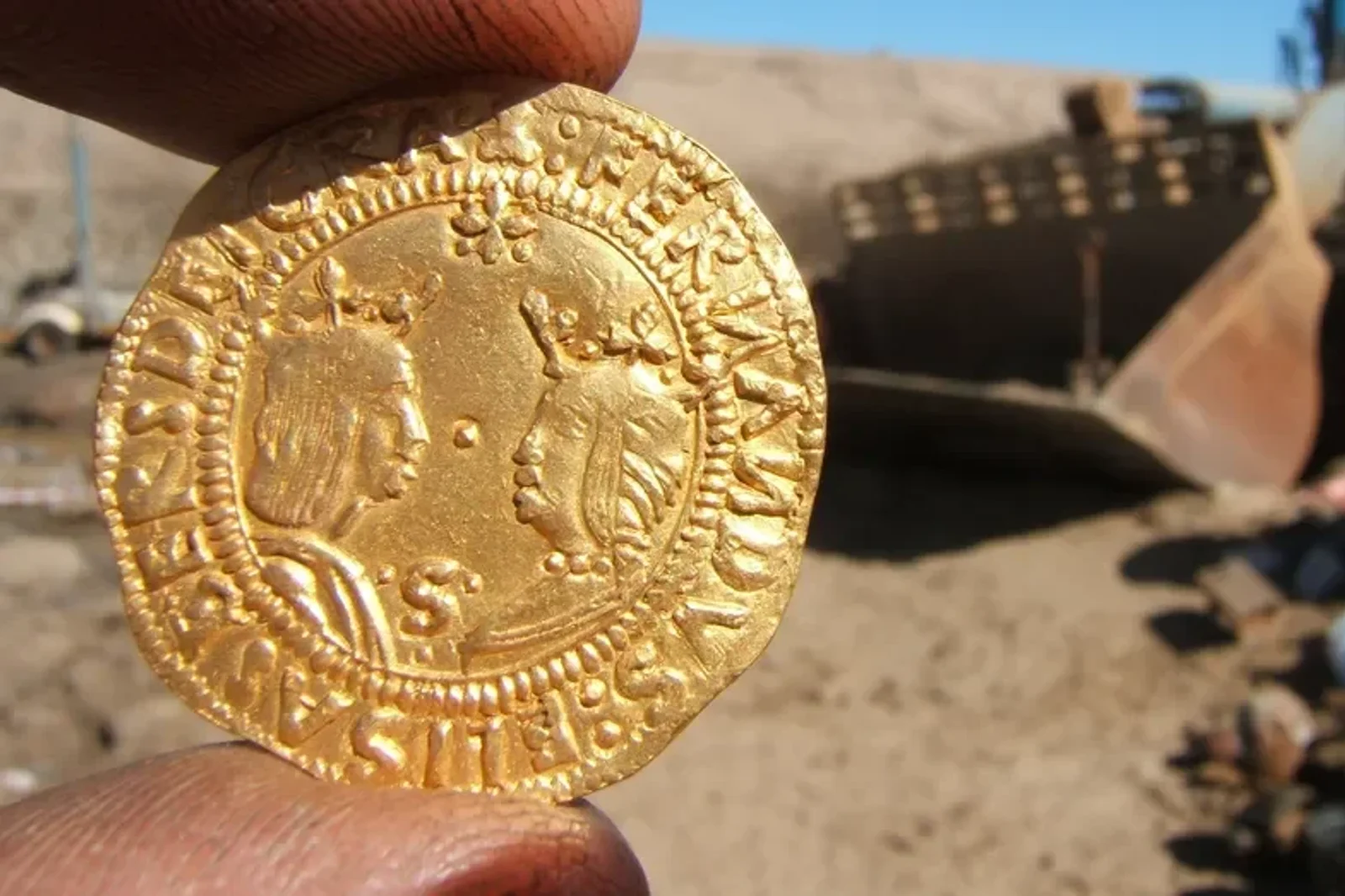
The remains of the Bom Jesus were uncovered in 2008 by diamond miners who were conducting operations near the Namibian coast. The shipwreck, which had been hidden beneath the sands for centuries, contained approximately 2,000 gold coins and tens of thousands of pounds of copper ingots, all remarkably well-preserved. This discovery has not only shed light on the maritime history of the era but also on the trade routes that were vital for the Portuguese Empire.

Dr. Dieter Noli, chief archaeologist at the Southern Africa Institute of Maritime Archaeological Research, noted that the coastline is notorious for storms, making the discovery of a shipwreck unsurprising. However, the find was particularly significant when a treasure chest filled with gold coins was unearthed, confirming the ship’s identity as the Bom Jesus. The coins, which date back to the early 16th century, provide invaluable insights into the economic conditions and trade practices of the time.


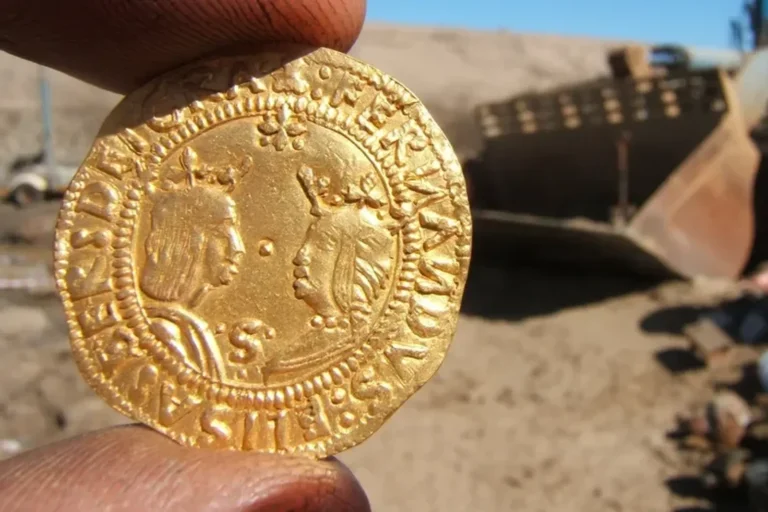
The coins were in mint condition which Dr Noli believes is down to the treasure chest being buried under the ship's huge structure. Credit: Dieter Noli 300w, 768w, 1536w, 730w, 350w, 1100w, 1600w" data-sizes="(max-width: 1024px) 100vw, 1024px" />
The coins were in mint condition which Dr Noli believes is down to the treasure chest being buried under the ship’s huge structure. Credit: Dieter Noli

Further excavations revealed an array of artifacts, including bronze bowls, cannons, navigational instruments, and even a musket estimated to be over 500 years old. The ship’s cargo also included silver coins and elephant tusks, highlighting the extensive trade routes of the time. These findings suggest that the Bom Jesus was not just a vessel for transporting goods but also a crucial part of the larger narrative of exploration and commerce during the Age of Discovery.

Experts believe the Bom Jesus sank after being pulled too close to shore during a storm, causing it to collide with a rock and capsize. As the coastline receded over the centuries, the ship re-emerged in the desert, where it was eventually discovered. The preservation of the ship and its cargo is attributed to the unique environmental conditions of the Namibian desert, which have protected the artifacts from the ravages of time.


Despite the significant value of the find, the Namibian government retains ownership of the ship and its contents, as it was classified as a “ship of state” belonging to the King of Portugal. However, the Portuguese government has generously allowed Namibia to keep the treasure. This decision reflects a spirit of cooperation and mutual respect between the two nations, emphasizing the importance of cultural heritage.

Today, the Bom Jesus stands as the oldest and most valuable shipwreck ever discovered off the western coast of Sub-Saharan Africa, with ongoing discussions about the potential establishment of a museum to showcase the remarkable artifacts recovered from this historic site. Such a museum would not only serve as a tribute to the ship’s storied past but also as an educational resource for future generations, highlighting the rich maritime history of the region.

Cover Image Credit: The Bom Jesus was laden with treasures like gold and copper ingots. Public Domain


Article


Bom Jesus: The Oldest and Most Valuable Shipwreck Found in the Namibian Desert - Arkeonews


image


image


Wikipedia


Bom Jesus (ship) - Wikipedia


Reply
Prau123 avatar
Posts: 3562
Topic starter
(@prau123)
Famed Member
Joined: 7 years ago


Documentary: Bom Jesus Shipwreck 


Is this shipwreck in Namibia the fabled Bom Jesus CNN Travel 1


Namibia is famous for shipwrecks along the skeleton coast among other major attractions as such the country is striving to protect this heritage ,the existing law on heritage partially protect shipwrecks older than 35 years upon declaration by the Minister. In 2011 Namibia ratified the 2001 UNESCO convention on the protection of underwater cultural heritage. Challenges in technical and legal integration of the convention still face the country but we look forward with great positive optimism in protection of underwater cultural heritage in the country.


Video


Reply
Page 396 / 400